Wow! I’ve been waiting for this information for ages. Join me in trying it, and let me know how it works for you!
Wow! I’ve been waiting for this information for ages. Join me in trying it, and let me know how it works for you!
 I’ve often found great advice on Anne’s site. This post about what readers are likely to find when they click on that “Look Inside” invitation on Amazon echoes one I recently did about the first page of your book and why it matters, except that Anne goes into more detail and offers excellent examples of how you can make your “Look Inside” sample sing.
I especially want to endorse Guidelines Nos. 2 and 3.
No. 2 tells us to “start with conflict, not crisis,” advice I’ve encountered before, and which has ranked up there as the most useful advice I’ve ever received. As Anne points out, who cares if bullets are flying and bombs are going off if we don’t know the characters and couldn’t care less about them. “What the reader wants is emotional conflict,” Anne writes. And you get that by putting characters together in a demanding situation and finding out what they do about it—basically Anne’s Guideline No. 5.
No. 3 tells us that any opening scene that consists of some character musing away about some off-stage event is a huge turn-off unless you have an incredible voice and a mesmerizing character. While we’d all like to think we can produce such prodigies of characterization and style at will, the evidence suggests otherwise. You don’t have to create a character worthy of the ages in a Nobel-prize-winning style if you place your readers at the heart of a conflict, right there, in the middle of it all.

An additional turn-off I’d personally cite for “Look Inside” samples is more subjective: I respond to voice. Yes, I’ve got to have conflict; things have to happen for me in those first pages. But even if I’m thrown into the middle of conflict, a pedestrian voice stuffed with clichés and unimaginative or, for that matter, forced description can kill my buying urge. Lure me with a voice that breathes with the magic of language used in new and illuminating ways. If you can’t, make your conflict mesmerizing and original. Ideally, do both.
Source: Do you know how to publish an ebook with pictures?
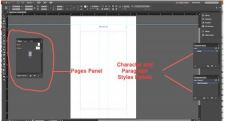 Here’s a post from last fall that I swiped from Jean’s Writing! Now that I’m about to epublish my “Beginner’s Cheat Sheet” on formatting your own Print-on-Demand book using InDesign, I’m going to need all the help I can get on formatting ebooks with graphics! What I like in Jean’s video is the idea that you can force text and image to stay together. Does anyone have any experience adding graphics to Kindle ebooks? Does this look like a good process to you? Any help will be WELCOME!
Some useful information about those pesky Amazon Review rules from Build Book Buzz. Share your own methods for getting reviews.
This is an older post from alfageeek, but like all his posts, it’s full of hands-on, practical advice that actually soothes some of my guilt over my abysmal marketing efforts. While you’re checking out his site, also check out his latest report on his experience with Bookbub ads.
In marketing to consumers, there is a well-established “buying cycle.” There are a lot of different variations on this but they generally go:
I mention this because the business of marketing a book is really no different from the business of marketing anything else to consumers. What I find interesting is that the people marketing books these days are mostly authors, and judging from their behavior, I think many of them are really confused about that whole cycle. So I’m writing this post to help explain it to them, with they hope that they stop throwing their money away solving problems they do not have.
Let’s skip awareness for a second, and dispense with the rest of the cycle.
If you write a great book and get a…
View original post 1,712 more words

Here’s what I sometimes feel like as a marketer: Deer in the headlights!
Well, I bought the book. I’ll report back on how much it helped me in my goal to begin taking marketing seriously. In the meantime, this article on how Amazon rankings and keywords differ in helping me sell my books provided some really useful distinctions.Can you add to this advice?

Paddy and his mom!


 Just Can't Help Writing