 Do you review books? Can you add to this good advice? What makes you decide to write a review—or makes you decide not to? I find that I’m least likely to review something I’m reading if I’m unsure whether I’m reacting to the book itself or to conventions of a genre that I just don’t understand or care for. What about you?
Tag Archives: creative writng
Do’s and Don’ts of Asking for Reviews
Filed under Goodreads, indie publishing, Marketing books, Reviews, Writing, writing novels
New Writers’ Comprehensive Reality Check!
 Joel Friedlander at The Book Designer shares this comprehensive discussion of myths and truths for first-time novelists from Florence Osmund. I would argue that you CAN format your books yourself if they’re not graphically complicated (i.e., just text). Check out my InDesign Beginner’s Cheat Sheet series. But this advice is worth taking to heart!
7 Blogging Misconceptions (For Beauty, Book, Food Bloggers & More!)
What would you add to this list of misconceptions about blogging? I found it reassuring: I’m not doing everything wrong! Reblogged on WordPress.com
Source: 7 Blogging Misconceptions (For Beauty, Book, Food Bloggers & More!)
My First BookBub Rejection
I highly recommend alfageeek’s candid, nuts-and-bolts reports on the marketing process. See, for example, his series on Twitter ads. Now here’s one on Bookbub, which is way out of my league at present. but which might be useful to you.
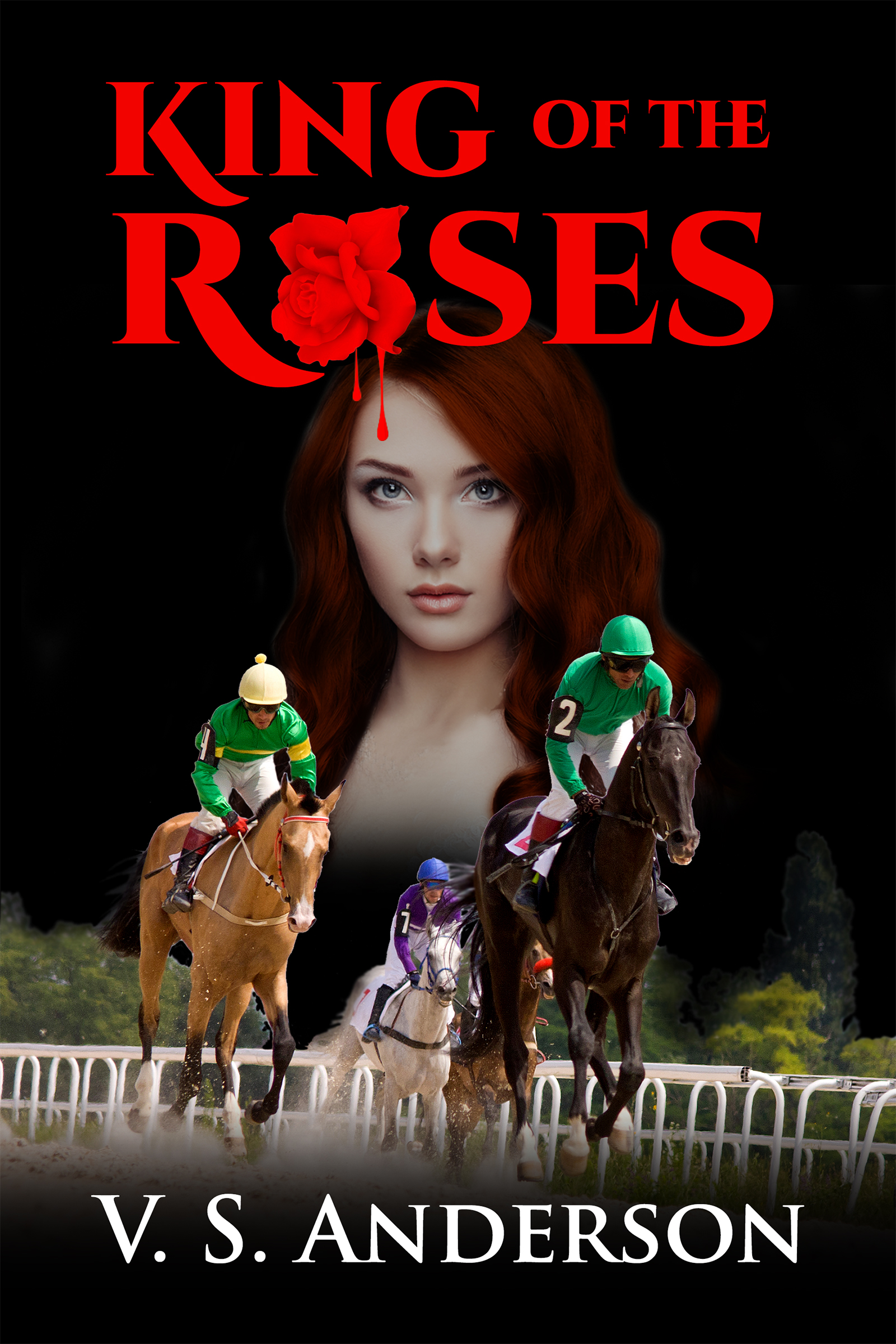
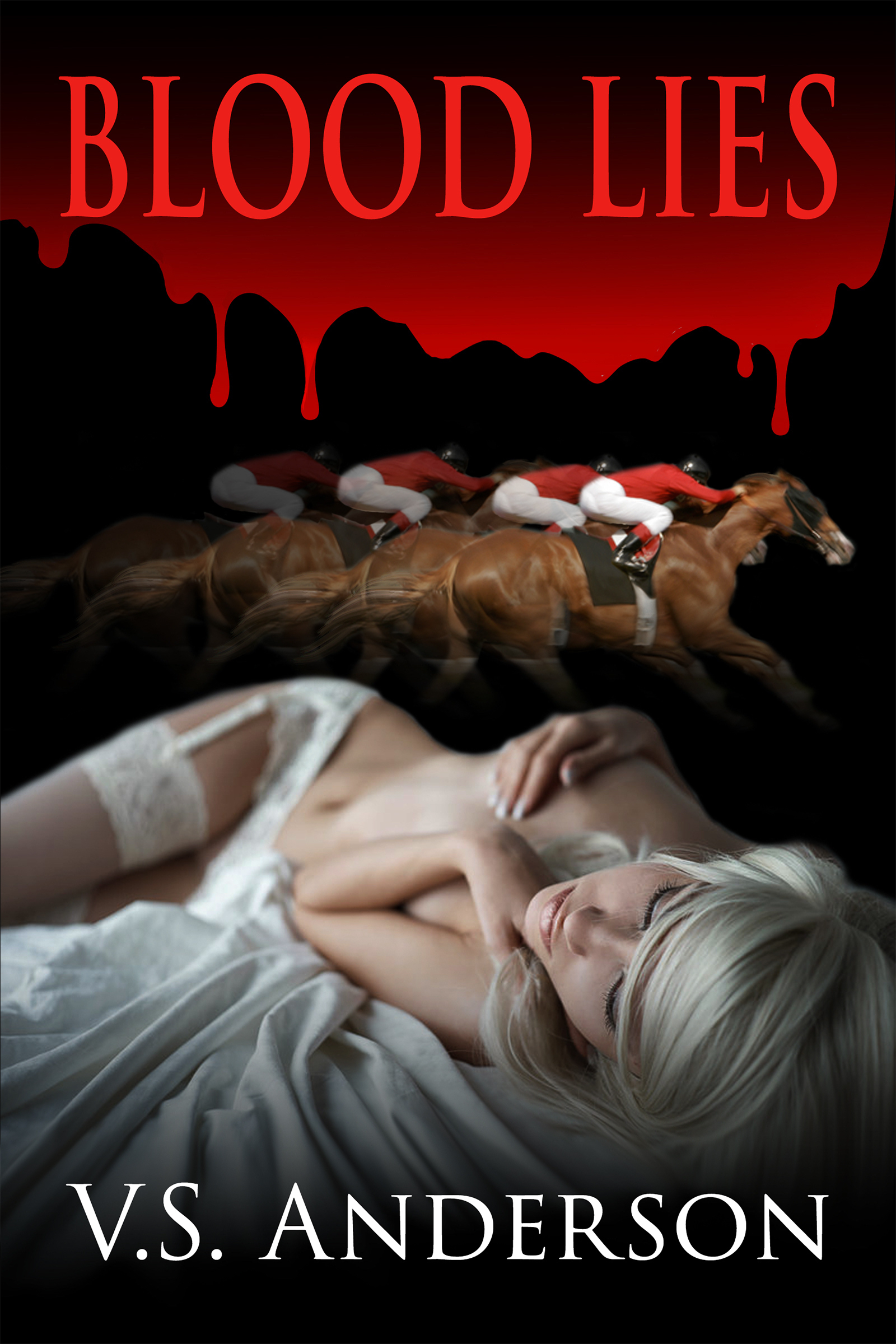
And may I echo his exhortation: If you’ve read either of my books, PUH-LEEZE post even a few lines of a review.

 I decided to take a shot at doing a promo with BookBub. Over the past few years, they have become the most effective marketing platform for e-books. Their reputation is that they reject almost all submissions, and they never tell you why they rejected you. But if you manage to get accepted, then you will sell a lot of books. They regularly update a chart that shows exactly how many books people in various categories and price points sell. That’s useful, because if they accept you, the listing is very expensive.
I signed up to their email list to be notified about Erotic Romance novels, since that’s the best category for my novels. (Even though I can’t say that on Amazon.) I was pleased to see that the books being promoted were not out of my league. Of the 24 Erotic Romance books they have listed right now, there…
View original post 810 more words
Barnes & Noble to Start a Print Book Self-Pub Option?

Check out this article from Digital Book World about a new venture at Barnes and Noble to allow self-published writers to offer print versions in B&N venues, hopefully a step that will help keep them afloat. Chime in with your views on whether this new option is worth a look.
Another Good Article on Dialogue
From fellow writer alfageeek, here’s a link to a Scribophile piece on dialogue that provides some excellent elaboration on the piece I reblogged yesterday. Join in the discussion about “actions” as “dialogue tags.”
 !
! 
Are You Botching Your Dialogue?
This post from Kristen Lamb’s blog gives some good basic guidelines for using and punctuating dialogue. These principles can be surprisingly hard to master, so a good primer is always helpful. The one I see most often is the use of an action as if it were a dialogue tag. To add to Kristen’s list, I’d say, “Watch out for that darn Autocorrect in Word. If you have it turned on and you accidentally type a period instead of a comma after the dialogue, Autocorrect automatically capitalizes the next letter, so you end up with two punctuation gaffes, not one.
Thanks, Kristen!


Today we are going to talk about dialogue. Everyone thinks they are great at it, and many would be wrong. Dialogue really is a lot tricker than it might seem.
Great dialogue is one of the most vital components of fiction. Dialogue is responsible for not only conveying the plot, but it also helps us understand the characters and get to know them, love them, hate them, whatever.
Dialogue is powerful for revealing character. This is as true in life as it is on the page. If people didn’t judge us based on how we speak, then business professionals wouldn’t bother with Toastmasters, speaking coaches or vocabulary builders.
I’d imagine few people who’d hire a brain surgeon who spoke like a rap musician and conversely, it would be tough to enjoy rap music made by an artist who spoke like the curator of an art museum.
Our word choices are…
View original post 1,815 more words
Filed under correct grammar for writers of fiction, ebooks publishing and selling, Editing your novel, grammar rules for writers, indie publishing, Learning to write, Publishing, punctuation for writers of novels, self editing for fiction writers, Self-publishing, style for writers, Writing, writing novels
Terrific Post on Reading Your Contract!
 Thanks to PubCrawl and Kelly Van Sant for this clear and comprehensive piece about red flags in publishing contracts.
It should be required reading!
#amwriting: point of view
Connie does a terrific job of explaining POV here. True, very, very skilled writers can “head-hop”—Larry McMurtry does it all through the Lonesome Dove books—but for most of us, suddenly slipping from one POV to another without the kind of warning Connie suggests is jarring. I’ll add that one of the easiest mistakes to make is for a POV character, whether third- or first-person, to “see” him- or herself. For example, if we want to stay true to the character’s point of view, we can’t say about a POV character, “I gave an enticing smile.” The character can give a smile that “I hoped was enticing,” or “I meant to be enticing,” but only a viewer (another character) can tell if the smile actually was “enticing.” These slips can be subtle but disorienting.
Read Connie’s piece for a good review of this important issue!

 A young author recently asked me, “What is head-hopping and why has my writing group accused me of doing it?” Head–hopping occurs when an author switches point-of-view characters within a single scene, and happens most frequently when using a Third-Person Omniscient narrative, in which the thoughts of every character are open to the reader.
It’s difficult to know whose opinions are most important when all your characters are speaking in your head as you are writing. They clamor and speak over the top of each other, making a din like my family at any holiday dinner. But you must force them to take turns speaking, and make a real break between the scenes where the speaker changes, or each rapid shift of perspective will throw the reader out of the story. But what is Point of View other than the thoughts of one or two characters?
Point of view is a common…
View original post 934 more words
10 Cliches in Mystery Novels
As a mystery writer, I love the analysis in this list! My favorites:
No. 2) Isn’t it great when the police are conveniently so stupid that the detective can look smart with very little effort? That dates at least to Arthur Conan Doyle (remember Lestrade?), but it’s a long way from the truth. Rachel is absolutely right that police work can be a difficult and thankless task.
No. 3) Follows from No. 2, as Rachel points out. The detective is the only one with the basic common sense to detect foul play.
What am I guilty of? Well, My Failed Novel had a depressed detective hero. Never again. I plead guilty to inserting some attractive female characters in my first two books, now online. I hope these women are just a little bit nuanced so that they’re not total clichés.
What would I add?
- The info dump at the end where the hero lines all the characters up and exhibits his or her brilliance by explaining the whole case, which he or she was the only one smart enough to unravel.
- That, and books where people just tell the detective what he or she needs to know rather than allowing the detective to work for his or her discoveries.
- And finally, detectives who don’t share things they’ve learned. Of course they’re smarter than everybody else if they’re keeping secrets!
What would you add?



 Just Can't Help Writing