 Thanks to PubCrawl and Kelly Van Sant for this clear and comprehensive piece about red flags in publishing contracts.
It should be required reading!
Thanks to PubCrawl and Kelly Van Sant for this clear and comprehensive piece about red flags in publishing contracts.
It should be required reading!
Connie does a terrific job of explaining POV here. True, very, very skilled writers can “head-hop”—Larry McMurtry does it all through the Lonesome Dove books—but for most of us, suddenly slipping from one POV to another without the kind of warning Connie suggests is jarring. I’ll add that one of the easiest mistakes to make is for a POV character, whether third- or first-person, to “see” him- or herself. For example, if we want to stay true to the character’s point of view, we can’t say about a POV character, “I gave an enticing smile.” The character can give a smile that “I hoped was enticing,” or “I meant to be enticing,” but only a viewer (another character) can tell if the smile actually was “enticing.” These slips can be subtle but disorienting.
Read Connie’s piece for a good review of this important issue!
 A young author recently asked me, “What is head-hopping and why has my writing group accused me of doing it?” Head–hopping occurs when an author switches point-of-view characters within a single scene, and happens most frequently when using a Third-Person Omniscient narrative, in which the thoughts of every character are open to the reader.
It’s difficult to know whose opinions are most important when all your characters are speaking in your head as you are writing. They clamor and speak over the top of each other, making a din like my family at any holiday dinner. But you must force them to take turns speaking, and make a real break between the scenes where the speaker changes, or each rapid shift of perspective will throw the reader out of the story. But what is Point of View other than the thoughts of one or two characters?
Point of view is a common…
View original post 934 more words
As a mystery writer, I love the analysis in this list! My favorites:
No. 2) Isn’t it great when the police are conveniently so stupid that the detective can look smart with very little effort? That dates at least to Arthur Conan Doyle (remember Lestrade?), but it’s a long way from the truth. Rachel is absolutely right that police work can be a difficult and thankless task.
No. 3) Follows from No. 2, as Rachel points out. The detective is the only one with the basic common sense to detect foul play.
What am I guilty of? Well, My Failed Novel had a depressed detective hero. Never again. I plead guilty to inserting some attractive female characters in my first two books, now online. I hope these women are just a little bit nuanced so that they’re not total clichés.
What would I add?
What would you add?

You might want to check out this list of 31 romance publishers who accept unagented work from Authors Publish!
Everything you want to know about Google Docs. I plan to learn more about this platform, and this post will be a go-to source!

I’ve been learning so many new Google Docs features as I work on THE STORY CHALLENGE, that I felt I had to document them and share them with my fellow writers!
I’ve created a detailed workflow which you can download at the end of this post and use as the basis of your own experimentation.
I think you’ll still be surprised by some of GD’s secret features.
You can now watch the workshop below!
Hopefully it’ll help to see the features rather than just read about them.

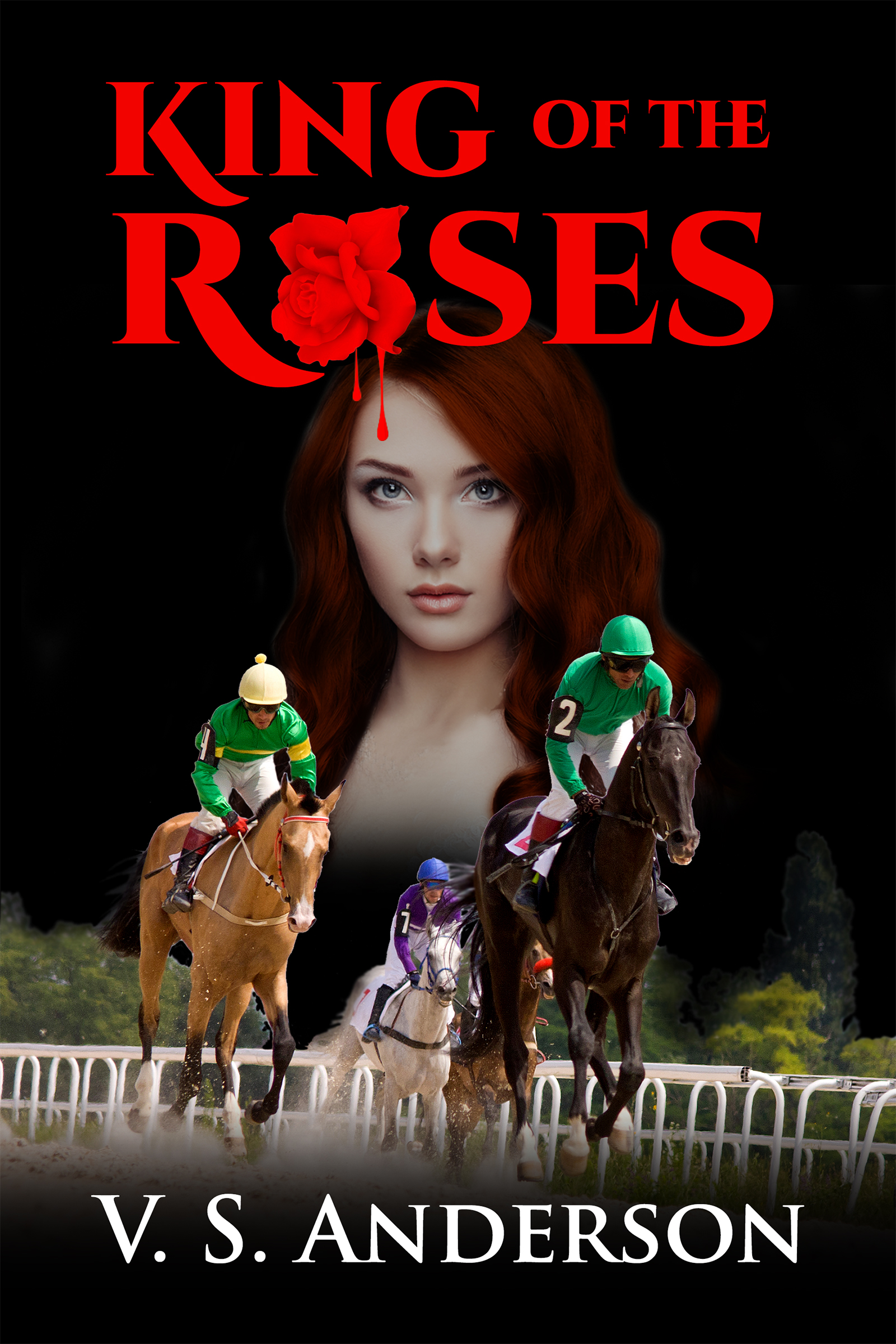
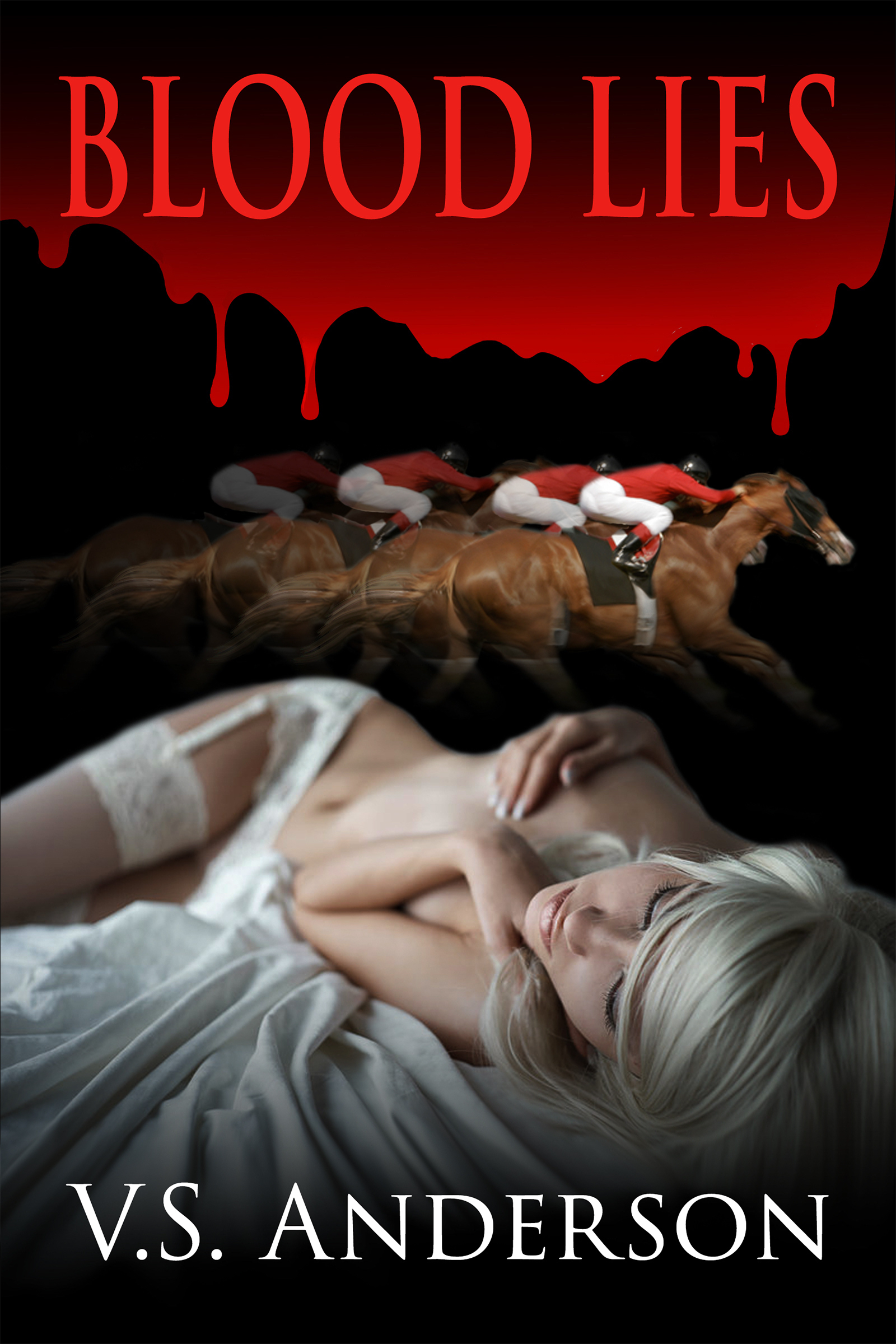
Here’s a post on POD printing options from Build Book Buzz featured on The Story Reading Ape. This post provides reasons why my decision to go with Ingram first rather than CreateSpace in publishing a print version of King of the Roses (and eventually Blood Lies) was a sound one. Follow my series on my “Crazy Journey” through the Ingram process: it doesn’t look all that crazy when seen through the eyes of book-marketing expert Amy Collins!
I have been asked one question more than any other: “Do I need IngramSpark if I have CreateSpace?”
I know it’s tempting to avoid the extra expense and hassle of taking on a second print on demand (POD) provider, but I want to take a moment and share some of the experiences we’ve had at New Shelves Books with our POD work. I hope these statements help you determine if you need one or both.
So . . . do you need both?

This post at Writer Unboxed is among the best discussions of the distinction between “literary” and “commercial” that I’ve seen. Donald Maass’s comparison between excerpts from two books, one “commercial,” one “literary,” makes the difference visible. This discussion ties in well with my own attempts to define “voice” and effective “world building.” Let me know what you think! 
Some truly HARD truths, and worth reading. I can also add that when you’ve published in the past, a fair number of agents want proof that your prior books were bestsellers before they’ll even consider your current one. “Did well for a first novel” doesn’t seem like enough.
Have you ever had experiences like these in your writing career? Share!
You’ve dreamed of being a writer, getting published, and finally – you’ve succeeded. Someone has paid money for your words, and they’re out in the world for people to read! Or, maybe you haven’t yet sold a story or novel, or you’re still writing for free on blogs and hoping that’s going to get you noticed. Either way, you aspire to greatness with your ability to turn a phrase. Here’s five things you definitely need to know, but probably no one has told you:
View original post 1,509 more words
It looks as if it’s time to get serious about Google+. Let me know of your experiences with this platform. What do you find works best?
More than 625,000 People join Google+ EVERY DAY, according to Digital Buzz and Huffington Post statistics. Before I even joined Twitter, GooglePlus (Google+) was my first Social Media network of c…
I’ve responded to this post with the thoughts and comments below. Share your own additions!
I agree on these issues! It’s amazing how many cuts I can find when I know I have to. And the result is almost always an improvement.
I especially have to catch redundancy. It’s a good tool for drafting, since you can try out six different ways of capturing a setting or an emotion. But then come back and pick the best one of the six!
A few points:
- Additional “filler” (or “filter”) words are “**She heard** the wind whistling through the trees” vs. “The wind whistled through the trees,” and “**She saw,**” which works similarly. These are so hard to catch.
- RE spell-check: Instead of turning off spell-check, turn off “autocorrect” functions. You will be notified of typos, but the computer will not try to guess what you really intended. I’ve seen some pretty crazy computer-supplied corrections!
- Also, grammar-checkers are notoriously poor substitutes for your own knowledge. The one on my Word program misidentifies fragments and rails against all kinds of style choices that work beautifully to establish voice.
- Finally, do give “older” books a chance, even if you know that these days, you don’t dare write in an older style. The Victorians, for example, lived in a slower age, but they wrote some of the most gripping fiction you’ll ever read.


Paddy and his mom!


 Just Can't Help Writing