Category Archives: writing novels

#amwriting: point of view

Connie does a terrific job of explaining POV here. True, very, very skilled writers can “head-hop”—Larry McMurtry does it all through the Lonesome Dove books—but for most of us, suddenly slipping from one POV to another without the kind of warning Connie suggests is jarring. I’ll add that one of the easiest mistakes to make is for a POV character, whether third- or first-person, to “see” him- or herself. For example, if we want to stay true to the character’s point of view, we can’t say about a POV character, “I gave an enticing smile.” The character can give a smile that “I hoped was enticing,” or “I meant to be enticing,” but only a viewer (another character) can tell if the smile actually was “enticing.” These slips can be subtle but disorienting.
Read Connie’s piece for a good review of this important issue!

conniejjasperson's avatarLife in the Realm of Fantasy

Xpogo_RioA young author recently asked me, “What is head-hopping and why has my writing group accused me of doing it?” Headhopping occurs when an author switches point-of-view characters within a single scene, and happens most frequently when using a Third-Person Omniscient narrative, in which the thoughts of every character are open to the reader.

It’s difficult to know whose opinions are most important when all your characters are speaking in your head as you are writing. They clamor and speak over the top of each other, making a din like my family at any holiday dinner. But you must force them to take turns speaking, and make a real break between the scenes where the speaker changes, or each rapid shift of perspective will throw the reader out of the story. But what is Point of View other than the thoughts of one or two characters?

Point of view is a common…

View original post 934 more words

2 Comments

Filed under Editing your novel, indie publishing, Learning to write, self editing for fiction writers, Self-publishing, style for writers, What Not To Do in Writing Novels, Writing, writing novels

Think You Couldn’t Possibly Lose Your Amazon Publishing Account? Think Again.

I’m not In KU, but this news certainly makes me think twice about signing my books up. What do you think? Are you a member of KU, either as an author or reader?

Becca's avatarThe Active Voice

There’s this indie author I know a little bit from the Kboards.com forum. Her name is Pauline Creeden, and she’s an ordinary midlister, like so many of us. I remember PMing her some time ago and gushing about how particularly beautiful one of her book covers is — the one for Chronicles of Steele: Raven.collection Here, I’ll include an image. Gorgeous, eh?

Anyway, today I tuned in to Kboards and noticed that Pauline had started a thread. It contained what’s surely the worst news possible for an indie author: Amazon had closed her publishing account. All her ebooks had been taken off sale. Permanently. Here’s the email she got from Amazon:

We are reaching out to you because we have detected that borrows for your books are originating from systematically generated accounts. While we support the legitimate efforts of our publishers to promote their books, attempting to manipulate…

View original post 1,085 more words

Leave a comment

Filed under writing novels

10 Cliches in Mystery Novels

As a mystery writer, I love the analysis in this list! My favorites:

No. 2) Isn’t it great when the police are conveniently so stupid that the detective can look smart with very little effort? That dates at least to Arthur Conan Doyle (remember Lestrade?), but it’s a long way from the truth. Rachel is absolutely right that police work can be a difficult and thankless task.

No. 3) Follows from No. 2, as Rachel points out. The detective is the only one with the basic common sense to detect foul play.

What am I guilty of? Well, My Failed Novel had a depressed detective hero. Never again. I plead guilty to inserting some attractive female characters in my first two books, now online. I hope these women are just a little bit nuanced so that they’re not total clichés.

What would I add?

  • The info dump at the end where the hero lines all the characters up and exhibits his or her brilliance by explaining the whole case, which he or she was the only one smart enough to unravel.
  • That, and books where people just tell the detective what he or she needs to know rather than allowing the detective to work for his or her discoveries.
  • And finally, detectives who don’t share things they’ve learned. Of course they’re smarter than everybody else if they’re keeping secrets!

    What would you add?

Leave a comment

Filed under indie publishing, Learning to write, Plot Development for writers, self editing for fiction writers, Self-publishing, What Not To Do in Writing Novels, Writing, writing novels

Are You a Romance Writer? Here’s Help!

Magic book

You might want to check out this list of 31 romance publishers who accept unagented work from Authors Publish!

Leave a comment

Filed under ebooks publishing and selling, looking for literary editors and publishers, Publishing, small presses, Writing, writing novels

THE ULTIMATE GUIDE TO GOOGLE DOCS FOR WRITERS (+ WORKFLOW VIDEO & PDF CHECKLIST)

Everything you want to know about Google Docs. I plan to learn more about this platform, and this post will be a go-to source!

Chris The Story Reading Ape's avatarChris The Story Reading Ape's Blog

Extract from an article by E.A. Deverell (Eva) founder of the Lady Writers League:

I’ve been learning so many new Google Docs features as I work on THE STORY CHALLENGE, that I felt I had to document them and share them with my fellow writers!

I’ve created a detailed workflow which you can download at the end of this post and use as the basis of your own experimentation.

I think you’ll still be surprised by some of GD’s secret features.

You can now watch the workshop below!

Hopefully it’ll help to see the features rather than just read about them.

To read the full (long and detailed with lots of related useful links), click on the link or image below:

Google Documents for Writers

googledocs

View original post

Leave a comment

Filed under indie publishing, Self-publishing, Tech tips for writers, Writing, writing novels

Why Readers Stop Reading a Book.

The folks at Lit World Interviews conducted a survey. See where you fall on the spectrum! I posted my reasons for not finishing a book and for feeling kicked out of the story world; see if you agree!

Ronovan's avatarLit World Interviews

Recently, we here at LitWorldInterviews.com conducted a survey, “Why do you put a book down?” and through the assistance of the writing community we had a very nice response. Now it’s time to share what we found.

First, I want to say why the survey was conducted. We wanted to help writers by giving them the information they most need. If a reader takes the time to check out your book and don’t like it, they are unlikely to give you a second chance with your next work. First impressions mean a lot.

86.30% of those responding were Female, thus leaving the remaining 13.70% Male. Considering the majority of those reading novels are Female, although not quite this extreme, I’m comfortable with sharing what we found.

There were 34 sub-categories as a result of the survey. Those results were then placed into 5 main categories: Writing, Editing, Proofreading, Taste, and…

View original post 1,269 more words

Leave a comment

Filed under correct grammar for writers of fiction, ebooks publishing and selling, Editing your novel, indie publishing, Plot Development for writers, self editing for fiction writers, Self-publishing, style for writers, Writing, writing novels

Why you need both CreateSpace and IngramSpark…

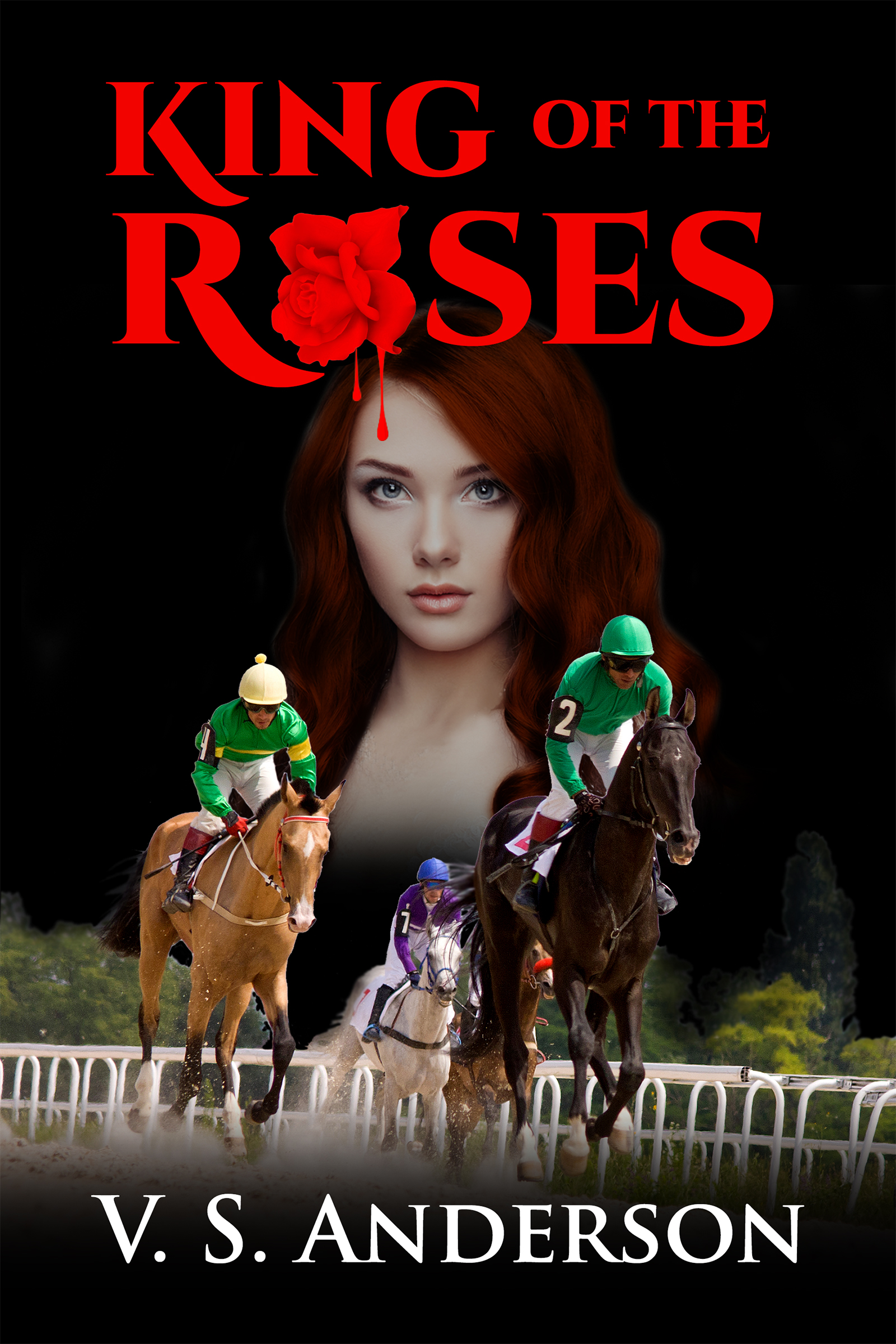
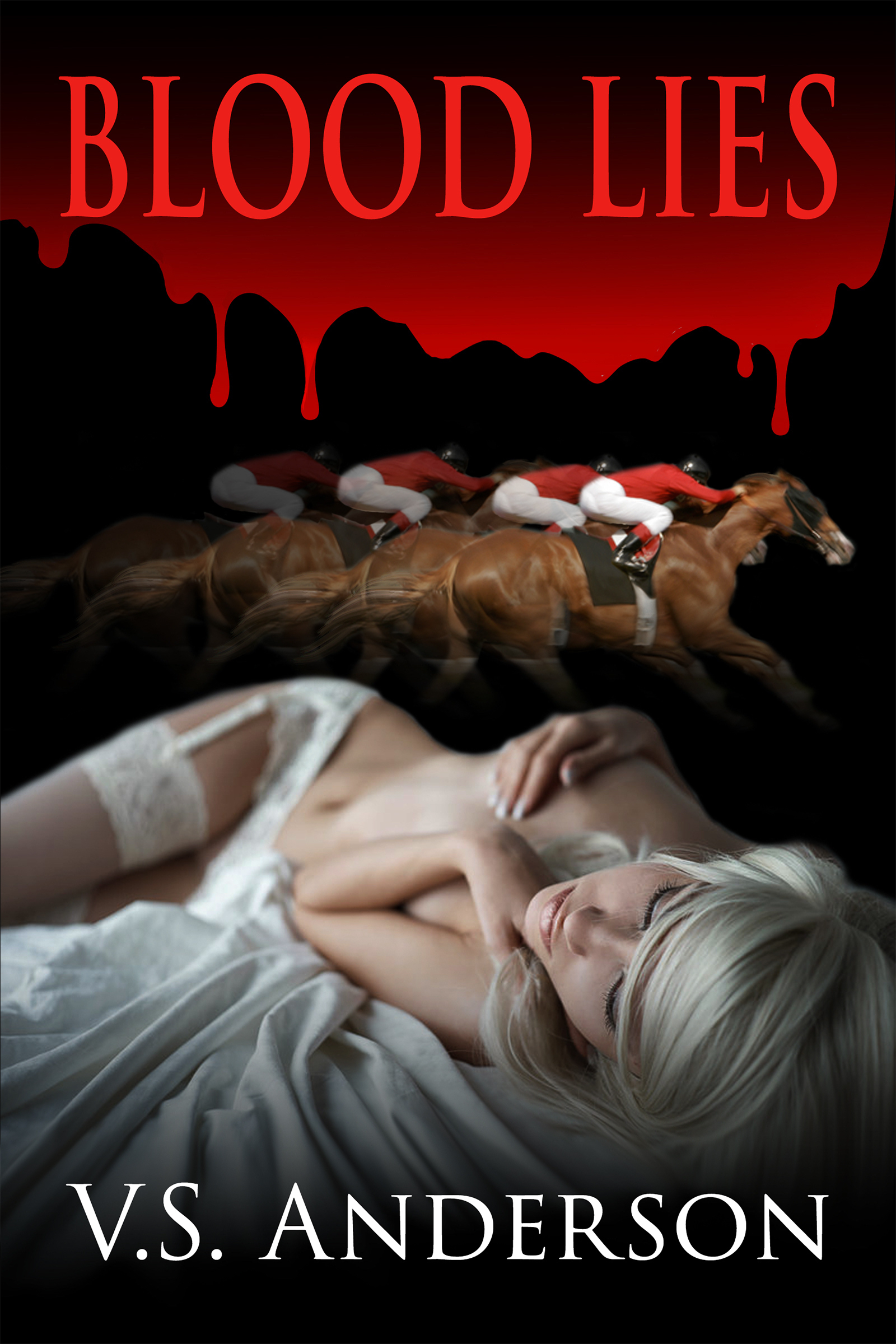
Here’s a post on POD printing options from Build Book Buzz featured on The Story Reading Ape. This post provides reasons why my decision to go with Ingram first rather than CreateSpace in publishing a print version of King of the Roses (and eventually Blood Lies) was a sound one. Follow my series on my “Crazy Journey” through the Ingram process: it doesn’t look all that crazy when seen through the eyes of book-marketing expert Amy Collins!

Chris The Story Reading Ape's avatarChris The Story Reading Ape's Blog

Extract of an article by Author Amy Collins in Build Book Buzz:

I have been asked one question more than any other: “Do I need IngramSpark if I have CreateSpace?”

I know it’s tempting to avoid the extra expense and hassle of taking on a second print on demand (POD) provider, but I want to take a moment and share some of the experiences we’ve had at New Shelves Books with our POD work. I hope these statements help you determine if you need one or both.

So . . . do you need both?

See the full article (and read the comments already there) by clicking the link, or Amy’s photo below:

Why you need both CreateSpace and IngramSpark

Amy-Collins-Photo-240x300

View original post

Leave a comment

Filed under Blood Lies, business of writing, indie publishing, King of the Roses, Marketing books, Money issues for writers, Print on Demand for fiction writers, Publishing, Self-publishing, Writing, writing novels

What is “Literary” Fiction? Donald Maass has a definition!

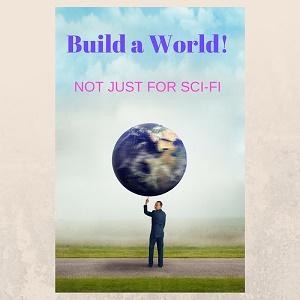
This post at Writer Unboxed is among the best discussions of the distinction between “literary” and “commercial” that I’ve seen. Donald Maass’s comparison between excerpts from two books, one “commercial,” one “literary,” makes the difference visible. This discussion ties in well with my own attempts to define “voice” and effective “world building.” Let me know what you think! Building a World in Fiction

1 Comment

Filed under Editing your novel, indie publishing, Myths and Truths for writers, Plot Development for writers, style for writers, Writing and teaching writing, writing novels

5 Hard Truths About Being a Published Writer

Some truly HARD truths, and worth reading. I can also add that when you’ve published in the past, a fair number of agents want proof that your prior books were bestsellers before they’ll even consider your current one. “Did well for a first novel” doesn’t seem like enough.

Have you ever had experiences like these in your writing career? Share!

Carrie Cuinn's avatarCarrie Cuinn

You’ve dreamed of being a writer, getting published, and finally – you’ve succeeded. Someone has paid money for your words, and they’re out in the world for people to read! Or, maybe you haven’t yet sold a story or novel, or you’re still writing for free on blogs and hoping that’s going to get you noticed. Either way, you aspire to greatness with your ability to turn a phrase. Here’s five things you definitely need to know, but probably no one has told you:

  1. You’re still going to be rejected. No matter how many sales or awards or accolades you have, you will still not have them all. You’ll submit work that won’t be purchased. You’ll write beautiful prose that doesn’t get nominated for an award, or doesn’t win even if you make it onto the ballot. You’ll be left out of articles talking about the books to read this summer…

View original post 1,509 more words

2 Comments

Filed under business of writing, indie publishing, Myths and Truths for writers, Publishing, Self-publishing, Writing, writing novels

Is Your Child Getting a Good Writing Education? Four Questions to Ask Your Child

Take it from two long-time writing teachers (Ken Lindblom and me), these questions deserve to be shared with every parent. Please pass them along!

drkhturner's avatarWriters Who Care

by Ken Lindblom

You want to make sure your child is getting an excellent education in writing. But if you’re not an expert, how do you really know? Here are four simple questions to ask your children about the writing that they are doing in their classes to determine if they are receiving an education in writing that is based on research and that reflects best practices for authentic writing.

Question 1: How many different genres are you writing in school?

The more genres your child is writing, the better.

Academic writing definitely matters. You want your child to be learning to write academic essays, literary analyses, and writing that will work for exams. But academic writing is just one color in the vast writing rainbow!

You want your child to be comfortable writing in many genres, and you want this for at least two reasons:

  1. Each genre of writing…

View original post 1,077 more words

Leave a comment

Filed under writing novels