Category Archives: ebooks publishing and selling

Mystery Plot Slow Reveals: A Cranky Follow-Up


men silhouette in the fog

A post I shared earlier thoughtfully spells out ways to use unreliable narrators to build suspense in mysteries and thrillers by letting readers edge slowly into characters’ personalities and the dilemmas their personalities create for them, so that the journey through the story is one of ongoing discovery. Mulling this post, I found myself lamenting a plot device that in some ways is the antithesis of this slow reveal and, sadly, one I’ve recently encountered more than once.

emoticon face

Cranky Part: I HATE this plot structure.


Mea Culpa Part 1: I tried it once. Got shot down royally by my wonderful St. Martin’s editor.

Mea Culpa Part 2: Yeah, sometimes a little of this strategy sneaks by; sometimes a modicum of it is even necessary to tie up ends in a denouement.

But! In my curmudgeonly view, we should all be highly self-conscious about the degree to which we’re tempted to fall back on this device.

So what is this cardinal plotting sin?

Here’s how it worked in the latest iteration I came across:

Step 1: The heroine/protagonist/amateur sleuth roves around, earnestly enough, learning basically nothing—generally ruling out unlikely suspects.

Okay, I’ll go along. My interest flagged somewhat because throughout her inquiries, the protagonist/sleuth seemed to have nothing personally at stake except satisfying her suspicion that the relevant death had not been adequately explained. Still, I’ll go along. When a character dies in mysterious circumstances, the protagonist really ought to express and act on his or her doubts. In the history of mystery fiction, idle curiosity has uncovered and solved many a crime.

Step 2: Suddenly the identity of the villain is revealed.

In this plot structure, this revelation usually occurs when the protagonist/sleuth is in the company of the villain, inevitably far from help. In the worst iterations, it occurs without warning: “Now I’ve got you, my pretty! How nice that you didn’t suspect!” In the book on which I’m basing this analysis, the protagonist/amateur sleuth abruptly identifies the killer (but without letting us readers know what clued her in)—

At which point, all of a sudden, she realizes that her bumbling inquiries might inspire the bad guy to come after her. And voilà, within mere minutes after she realizes she’s in danger, he shows up. Before I could contain my frustration at being deprived of the basic piece of information that would have allowed me to share her revelation, he has her bound and gagged and completely at his mercy.

Now comes the worst part:

Step 3: For pages and pages, the murderer lectures his captive audience—

That is, his victim(s)—on what happened, why, how he did it, what clues they missed—in short, all the things that the best detective/mystery fiction stack up slowly so that when the final piece settles into place, the protagonist and the readers have done some work, the kind of work that makes both the journey and its resolution an achievement, intellectual but emotional as well.

Night driving on an asphalt road towards the headlights

Yes, many mysteries turn on a sudden realization, a moment in which the detective/sleuth chains together a string of loose clues or recognizes the importance of some minor incident or discovery. The best of these revelations, in my view, are the ones where the sleuth deduces the connection, à la Sherlock Holmes, instead of having the information told to him or her.

But the success of this turning point, regardless of how the sleuth arrives at it, depends on the quality of the groundwork we’ve laid. In other words, if our villain has to explain the case to our hero, we haven’t done our job. In the best mysteries, when the villain pops up, as he or she probably will, the reader and the sleuth, in concert, should be able to exclaim, without pages of tedious instruction, “Now it all makes sense!”

In the kind of slow reveal Jane K. Cleland discusses in “Writing Suspenseful Fiction: Reveal Answers Slowly,” we readers get the information as the protagonist encounters it. We’re not deprived of the building blocks that the protagonist will ultimately use to solve the crime. The beauty of using an unreliable narrator for this process, as Cleland illustrates, is that the information is filtered through the character’s misreading. As we slowly come to understand the character and the emotional or cognitive needs that drive him or her, we have the chance to read through to a coherent solution ourselves.

Mysterious park alley

But even without an unreliable narrator, we mystery writers owe it to our characters as well as our readers to take a hard look at that lecture we’re tempted to let the villain deliver and, instead, piece out the information so that we can lay it before our hero and our readers step by step, obviously with alluring wrong turns along the way. Revelations ought to come from within, not from some obnoxious bad guy pointing a gun at our readers’ bound and gagged and silenced bodies. The slow reveal of character and information gives readers voice. They become our partners, our eager allies, in solving the crime.

Magic book

1 Comment

Filed under ebooks publishing and selling, Editing your novel, indie publishing, Learning to write, Plot Development for writers, self editing for fiction writers, Self-publishing, What Not To Do in Writing Novels, Writing, writing novels

Step By Step Instructions for Promotion of your Book with Twitter Ads

You may want to partake of this comprehensive advice on how to run and manage Twitter Ads.

Joshua Edward Smith's avataralfageeek

I’ve written a couple posts about Twitter Ads now, and most of the feedback I’ve gotten has been: SLOW DOWN! People want a step-by-step on how to (hopefully) reproduce the success I’ve had with Twitter Ads. And I’m the kind of fella who gives the people what they want! (Occasionally, if I feel like it.) There are roughly a zillion steps, so I’m going to do this in a bunch of blog posts.

Before we begin, I need you to take a minute and count how many books you’ve written. I’ll wait. (doo-be-doo-be-doo…) Back? What’d you come up with? Is it one book? If so, then I’ll wait while you go finish the next book. Because what we’re going to do is run a break even advertising campaign. It isn’t going to cost you any money in the end, but you aren’t going to make any money either. This…

View original post 366 more words

Leave a comment

Filed under business of writing, ebooks publishing and selling, indie publishing, Marketing books, Money issues for writers, Self-publishing, Writing, writing novels

Formatting in Word for PC users

Here’s a detailed post by Melinda Clayton from Indies Unlimited on stripping unwanted formatting from your Word document before submitting it to Kindle. Her directions apply to PC users. I use a Mac, and was able to format my books fairly easily following Mark Coker’s directions for Smashwords. In both cases, making sure you have a clean document is essential.

beautiful business woman scared

My InDesign experience is much more complicated. I’m close to submitting to Ingram and will see how it works. More on my crazy journey into InDesign for IngramSpark coming soon!

Leave a comment

Filed under Amazon Kindle Direct Publishing, business of writing, ebooks publishing and selling, indie publishing, Print on Demand for fiction writers, Publishing, Self-publishing, Smashwords, Writing, writing novels

Advertising/Marketing for Indie Authors

Brittney Sahin often shares her experiences as a savvy Indie author. This post has lots of good marketing information.

brittneysahin's avatarbrittneysahin

Up until a few weeks ago I was paying $50 to have Facebook ads/banners created. I am not great at graphic design, so I didn’t think I’d be capable of creating my own. But when I saw how much I could purchase images from shutterstock.com (5/$50), I decided I needed to create ads/banners/teasers on my own.

This information is probably old news to most, but if I can even help 1 person I’d love to share what I have learned. After a lot of research I discovered canva.com. This website is amazing. The price for each ad/banner/design is between $0-1. Hmm. Free/$1 or the $50 I was spending before–not a tough decision. I can create so many different ads/banners/teasers.

I spent a lot of time playing around with it, and I am still learning, but here are a few sample ads/banners/teasers I have created. Just note- be careful for the ratio of text to image for Facebook…

View original post 505 more words

Leave a comment

April 27, 2016 · 10:06 am

A Good Review on Basics: Avoiding Writing Scams

This piece from Just Publishing AdviceBlue computer distills some important basic considerations to attend to for those of us trying to learn the book-publishing and marketing process. I get “requests” to submit manuscripts quite often and have usually wondered who it is that’s so desperate to see my work when traditional agents turn down hundreds of submissions each week. This article helps to put the situation in perspective.

7 Comments

Filed under business of writing, ebooks publishing and selling, indie publishing, Marketing books, Money issues for writers, Myths and Truths for writers, Print on Demand for fiction writers, Publishing, Self-publishing, Writing, writing novels, writing scams

Victoria Strauss: Small Presses to Beware of!

Victoria Straussworried smiley of Writer Beware reports on three small presses that have run into trouble in various ways. Sharing the word!

2 Comments

Filed under business of writing, ebooks publishing and selling, indie publishing, Publishing, publishing contracts, Writing, writing novels, writing scams

An Oldie but Goodie: 10 Things Writers Don’t Tell People

I think my non-writer friends probably don’t know these truths! Do yours? From Aliventures. (And I love her little riff on that/which at the beginning of this post. I’ve had some fun with the that/which distinction myself!)big smile smiley

Leave a comment

Filed under correct grammar for writers of fiction, ebooks publishing and selling, grammar rules for writers, indie publishing, Learning to write, Myths and Truths for writers, Self-publishing, Writing, writing novels

Motivate Yourself by Submitting to a Writing Contest

Here’s a new list of contests you might find helpful, from the writers at Live to Write—Write to Live. Check it out!

Lisa J. Jackson (@lisajjackson)'s avatarLive to Write - Write to Live

Today’s post is as much for me as it is for you. You see, I’ve been quite lethargic about writing fiction lately, as my business has been so pleasantly busy that I don’t have time to write for fun.

I put don’t have time in italics, since, we all know that we make time for what is important to us. I do have time. I have the same amount of time as everyone else and if I truly want to write fiction, I will find a way.EnterWritingContests

Today’s post is my self-motivation for finding that way.

Submitting to contests is a great way to be inspired to write, to actually write, and to actually submit. I’ve done it. I know it’s always fun and challenging and a unique way to get the must to come out and play.

My all-time-favorite contests are the quarterly 24-hour contests by WritersWeekly.com

View original post 298 more words

Leave a comment

Filed under ebooks publishing and selling, indie publishing, poetry, Self-publishing, Writing, writing contests, writing novels

Top Ten Things a Writer Doesn’t Want to See in a Review

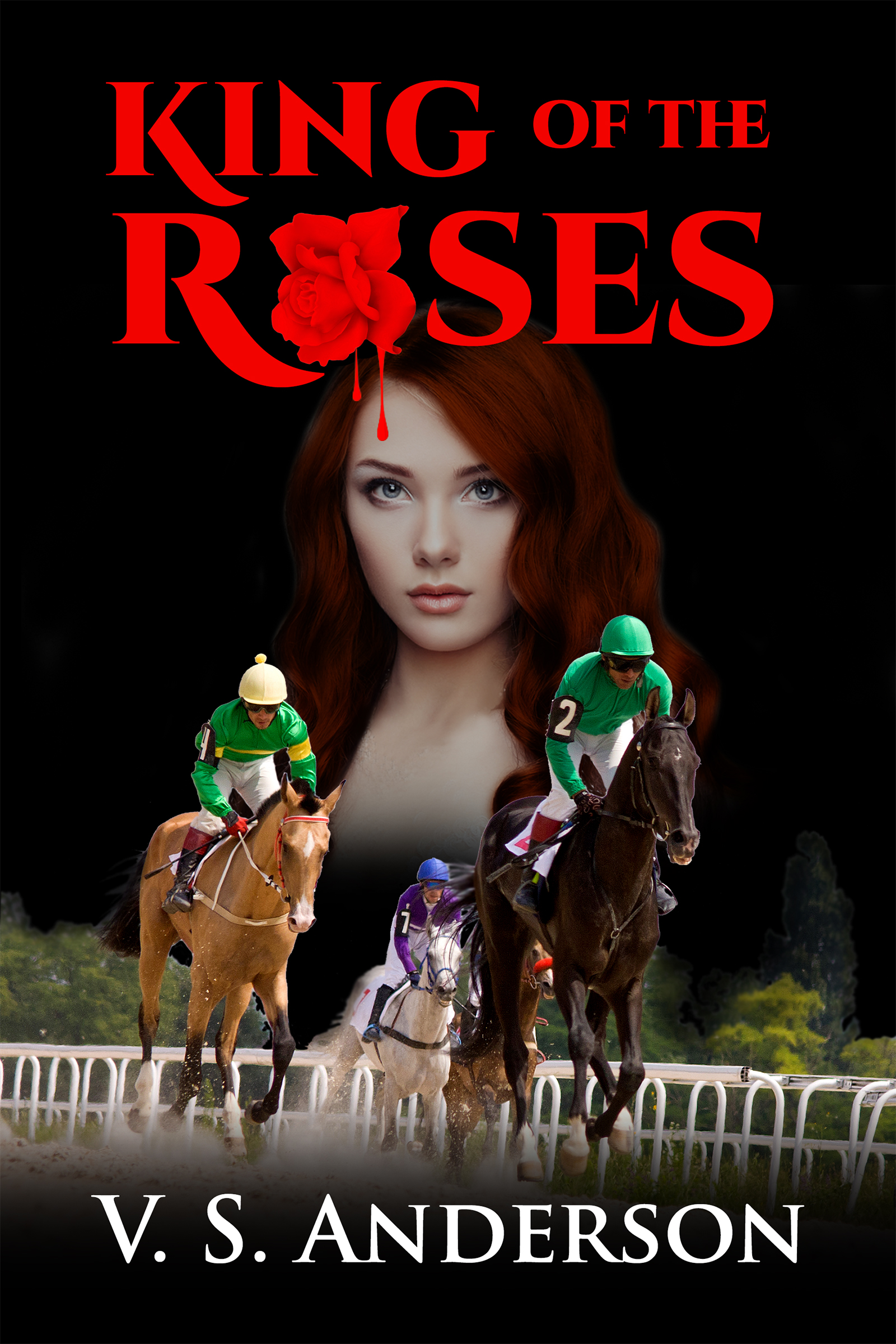
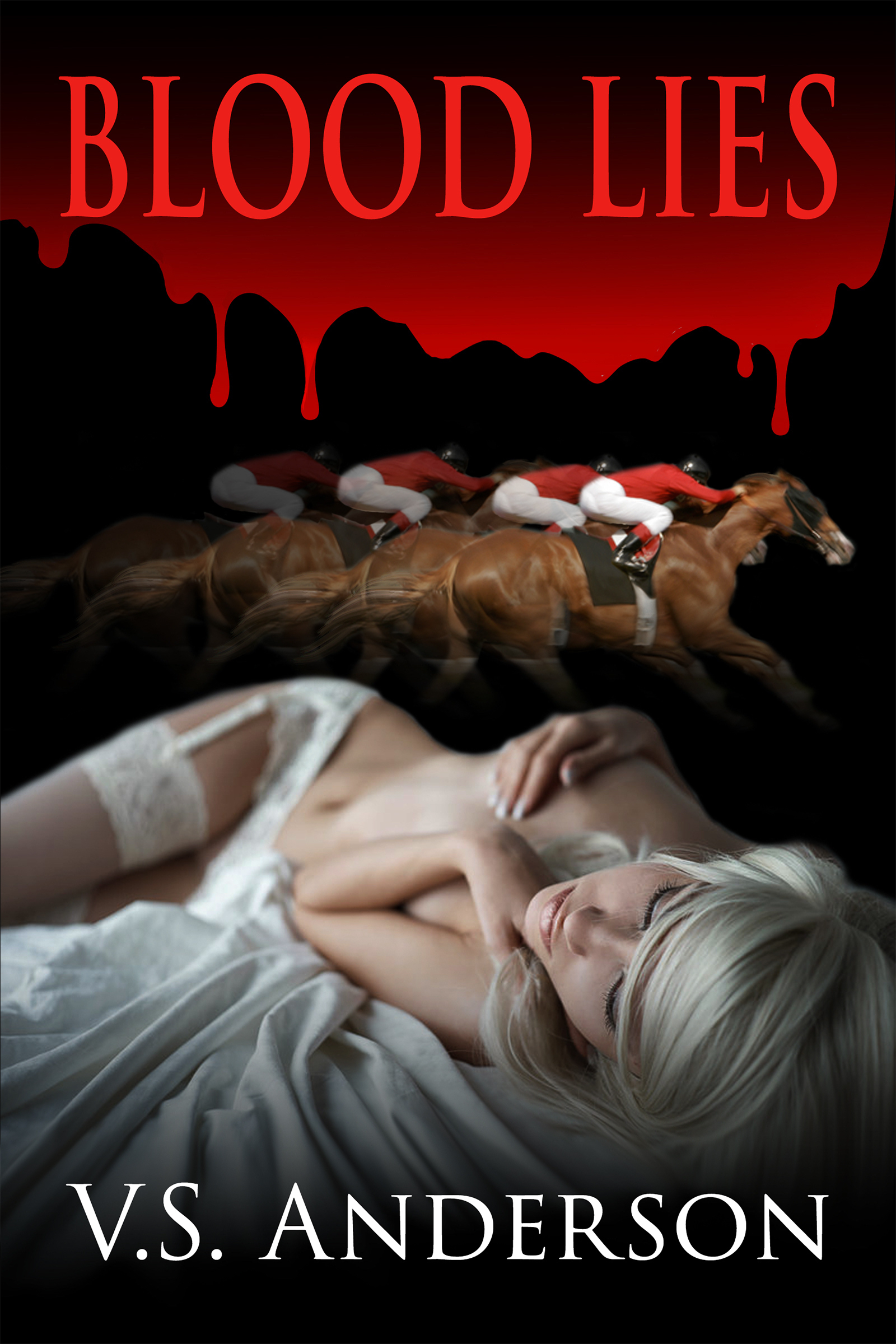
Pretty funny from Lindsay Schopfergreen smiley happy! I am glad to report that on my Book Reviews for Horse Lovers page, I have not yet been guilty of any of these!
Leave a comment

Filed under ebooks publishing and selling, indie publishing, Reviews, Writing, writing novels

COPYRIGHT INFRINGEMENT?

Follow up to the post below about book theft! Chris the Story Reading Ape supplies links and specific advice, as well as a DMCA form letter and a way to find the offending server. Keep this page!

VERY IMPORTANT!!! DO NOT SEND THE OFFENDING SITE A DIRECT NOTICE. They may be a click farm looking for you email and you will be infected with a virus. If they are on Facebook – Use Facebook’…

Source: COPYRIGHT INFRINGEMENT?

Leave a comment

Filed under business of writing, Copyright for writers, ebooks publishing and selling, indie publishing, Money issues for writers, Myths and Truths for writers, Publishing, Self-publishing, Writing, writing novels