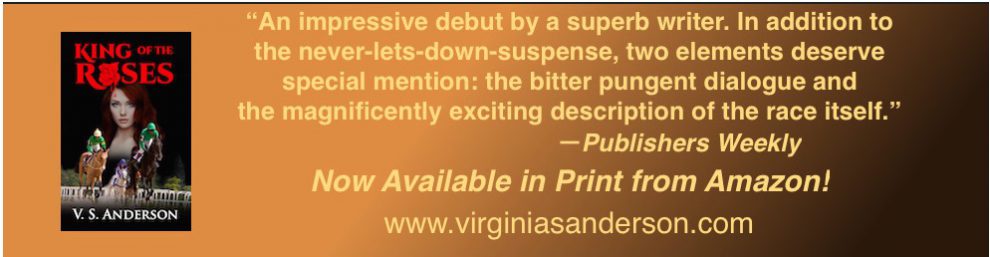
SELF-PUBLISHED BOOK LAUNCH DAY at Smashwords! And the day I bite the bullet and upload to Amazon! So far it looks a lot more complex than uploading to Smashwords. If any of you have been through this process and have any advice for me, please let me hear from you! In the next day or two, I’ll report back on my own experiences.  In the meantime, you can now order the books at Smashwords.com in addition to ordering them through any of your favorite ebook retailers, including Barnes and Noble and iBooks.
  Let me know if you run into problems. I may not be able to help, but I will try! Also later today I will post some direct links on my web site, www.virginiasanderson.com.
Tag Archives: publishing
Off to Upload to Amazon Kindle Direct Publishing
How I Got More Reviews On My Self-Published Book | BookDaily #AuthorTips
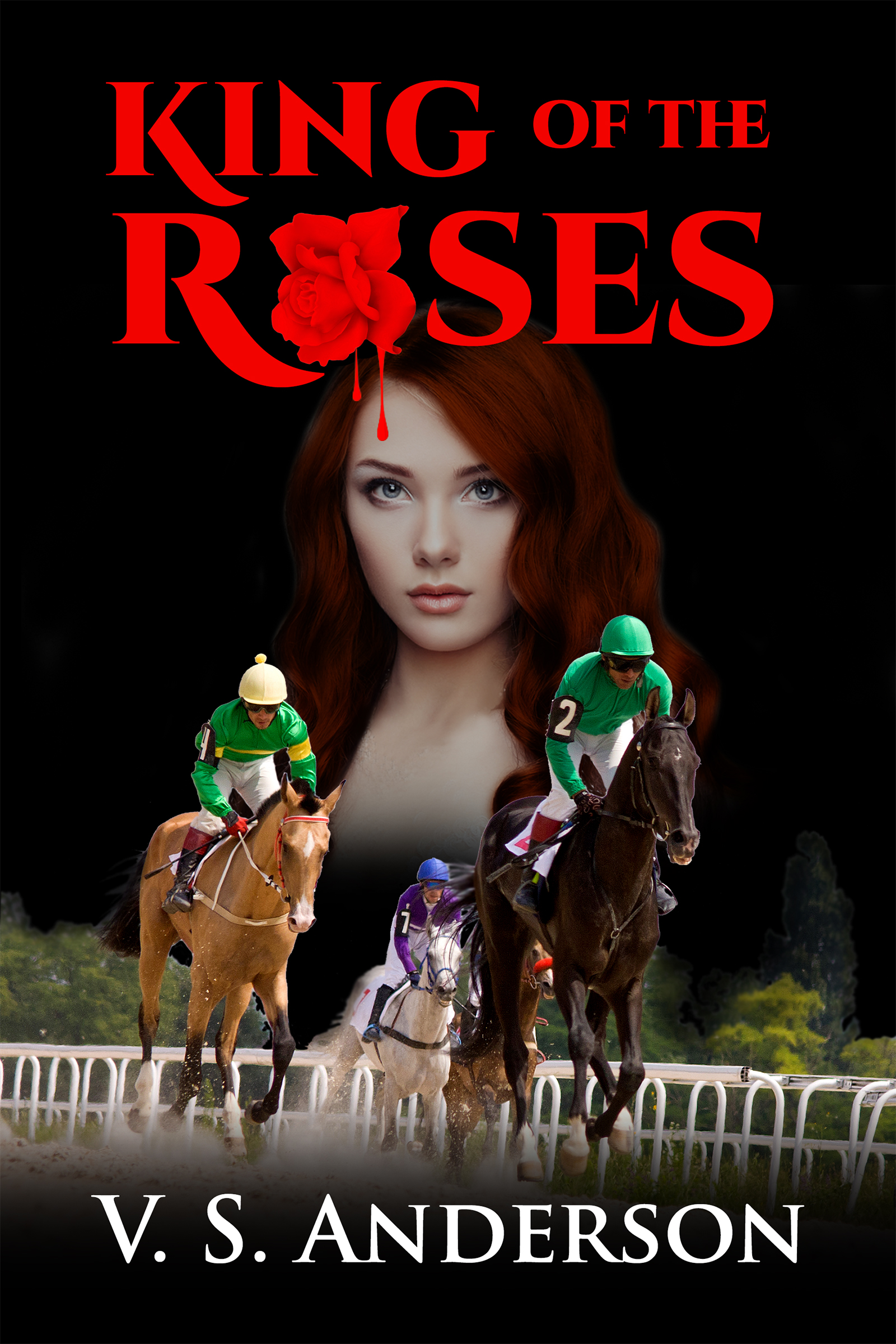
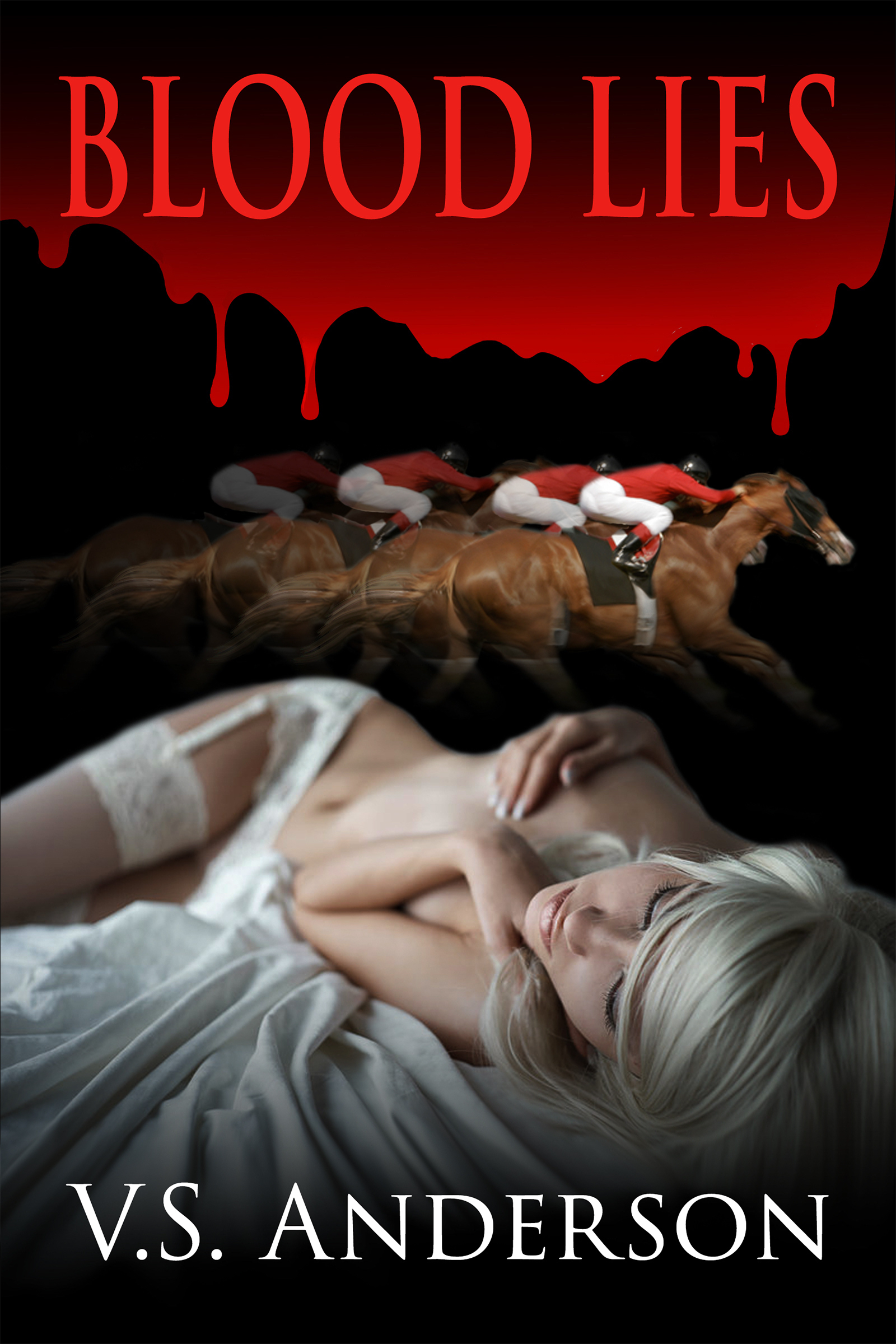
I came across this just now and thought I would share it with anyone who is interested. As soon as my books are officially released, I’m going to follow this practical tip. BTW, I welcome (and wish for) reviews of King of the Roses and Blood Lies! They’ll be up at Amazon soon.
Authors’ Guild Advocacy on Fair Contracts for Writers
Found this on Twitter today. Absolutely essential knowledge for all of us approaching this point. This information mirrors much of what I learned the hard way when I published in the 1980s and 1990s: for example, that you never get the lump sum you think your advance is going to be. I am lucky in that I had reversion-of-rights language in my contracts (thanks, J and L) so that I have been able to self-publish my previously published books as ebooks. But it looks as if not everyone is so fortunate. In any case, this information is worth keeping up with:
Blog Interview Part 2: Will Lavender!
Welcome to Part 2 of our interview with Will Lavender, author of Obdience and Dominance! Please feel free to shoot me some comments or questions. Is your writing process like Will’s? Have you had similar experiences? What do you think of MFAs and two-book contracts? Let us know!
6. What is the “best education” for a writer? For example, are there particular ways of reading that writers should cultivate? Would you recommend college courses, MFAs, online forums or webinars?
I actually recommend the MFA. It’s gotten a lot of flack over the years (especially recently), but my MFA experience was so unusual, and so outside the realm of anything I’d ever done, that it was highly beneficial. At no other time in your career will have you have that many eyes on your unpublished work. It can be, if used correctly, incredibly helpful.
Otherwise I think writers should always be versed in their medium. If there are novels out there that are like your manuscript, then you should know about them. I do a lot of events with aspiring writers and am often surprised at how poorly read people are. I’ll mention books—extremely popular books—that folks will not recognize. You obviously don’t have to have Penguin’s spring catalog memorized, but it’s always beneficial to know the landscape so that you can write toward it.
7. Do you get feedback on works in progress (from editors, writers’ groups, friends, colleagues)? If so, how do you recommend “managing” feedback: for example, are there ways writers can evaluate feedback to determine what to use and what to set aside?
I generally don’t like to talk about my WIPs, but what happens in publishing is that they need you to talk about your unfinished work—they don’t want to be surprised by anything, especially by someone without a strong history of sales. I’ve gone off-track a few times while working on novels and had to be reigned in by my agent and editor.
But the issue for me is that the more I talk about it, the more mystery that’s sucked out of the thing. I like to work in total secret and then to be confident in the work before I show it to anyone. I’m a firm believer that things can be jinxed, and I’ve jinxed quite a few WIPs by blathering about them.
8. Do you have a sense of how writers should address ongoing changes in the writing/publishing world (online publishing, self-publishing, death of independent bookstores, blogging)?
Writers should always keep their options open. One should never say, “I would never self-publish,” or “I hate traditional publishing,” because you never know when you might have to go that route.
Things have radically changed in publishing just in the last five to seven years. Imagine five to seven years from now. I think there will be an entirely new and unthought-of process for getting books out into the world. Yes, printed books will never die, but they’ve been staggered and the writer should respect that.
The traditional publishing model has also been staggered. When people ask me about self-publishing I always recommend starting at the very, very top. Try to get your dream agent. If that doesn’t happen, then begin to adjust your goals. If you end up having to self-publish, then you do your best with that book and start another one. I think writers make a mistake sometimes by putting their soul into a book. The best and most successful writers are those who are always looking to reinvent themselves and begin something fresh.
9. How do you make a space for writing in your personal life?
It’s difficult with two young children. I generally write on evenings and weekends, but one of the more important things about writing well is sticking to a routine. Very hard to find that when you have a family and a 9-5 job. It takes a rigor that some of these professional novelists have down but the rest of us struggle with daily.
10. Is there anything you’d advise an aspiring writer NOT to do? (Pretty broad, so take it where you will.)
This is a tough one because there’s so much advice that works for some people and not for others, and some “never do this” kind of stuff that great writers do all the time.
I think one of the main things that aspiring writers struggle with is confidence. Confidence is an innate thing, maybe, but I believe a lack of confidence is also a byproduct of “art.” It’s not the coolest thing in the world to stand up for your creation. The artist has been taught to be modest, to be almost shy, and to “let the work speak for itself.” Those that get out in front of the art—and if you’ve ever been to a book fair you’ve seen the people who adamantly try to sell their work—are labeled as hucksters while the quiet ones among us who demure are the geniuses.
But to be published, you have to be able to talk coherently and strongly about your work. And for the work to even be publishable, you have to have belief in it—not the unerring, I’ll-never-change-a-single-word-of-this belief, but more of a sense that you know what the book is going to be and how it’s going to be sold. Many writers I talk to seem unsure about their product; “Well, I’m working on a zombie novel now, but I’m thinking of changing to a…” No, that’s not a good tack. One needs to be firm about their WIP and what it’s going to look like once it’s finished.
11. What are you working on now? In what directions are you taking your career?
I’m still under the aforementioned two-book contract. The novel I’m working on now is a thriller about…well, I don’t want to jinx it. I’ll let everyone know when it’s finished.
Interview: NYT Best-Seller Will Lavender!
Hello, all,
This is first of our two-part interview with Will Lavender, author of Obedience and Dominance. It’s always great to hear from people working their way through the publishing world!
Please send comments and questions. If we have some, perhaps we can arrange for a Q&A down the road!
1. Give us a sense of your writing trajectory. For example, what kinds of writing have you done and how have these experiences informed (or not) your fiction writing?
I write what the publisher calls “literary thrillers.” My novels are all set in or around college campuses, and I use my experience as a former writing instructor often in my work. I use not only my interactions with students but also simple things like the geography of the campuses where I’ve taught. For my first novel, Obedience, it was really important for me to have the campus mapped out in my mind, so I used bits and pieces of all the colleges I attended and appropriated certain quirks of each of them to my fictional campus.
Otherwise I think we’re always using bits and pieces of ourselves. It’s impossible to write well without some sense of the biographical. I find myself using phrases and words I overhear in the world; I’ll catch a turn of phrase on NPR and it will invariably end up in my writing. Writers are sort of receptacles for language and culture. The best writers use that information wisely and artfully.
2. Where do you get your ideas for your novels? Do you have a particular creative process for coming up with ideas?
The best ideas I come up with are what-ifs. I find that playing out a scenario in my mind helps kickstart my imagination. When I’m really writing well, I’m coming up with stuff—language, prose, ideas—that’s borderline weird. It’s only in the editing process that you reign in those things. But in the drafting itself, I think writers who really allow themselves to explore and hunt out unfamiliar territories have the most success. It definitely makes the drudgery of writing a novel easier.
3. What, in your experience were the most challenging parts of the publication process (e.g., finding agents and editors, working with editors, working with publishers, etc.) and how did you address these challenges? What were the most rewarding?
The most challenging part about publishing is staying published. I found getting an agent and my first book deal relatively calm. After that things got hectic, because when that first book comes out you’re saddled with the one thing that keeps writers afloat: sales numbers. My second novel didn’t do as well, but I was lucky to have a two-book contract in the bag before that book was released. Fulfilling that contract has taken me the better part of three years, because the publisher is concerned about the numbers of my second book. It’s a nerve-jangling thing, and it’s one of the reasons that I think it’s always better to work from a finished product rather than a novel-in-progress. My first novel was finished except for the editing. My other novels have been unfinished and have been bought at various stages of their completion. This means that the writer has to fulfill the contract by finishing the novel—that feels to me like working backwards. I would rather be rewarded for a completed thing than have to push to complete that thing under a set of parameters that are at times not my own.
4. Writers in all genres today have to do a lot of self-promotion. Have you been involved in promotion for your books, and if so, what has that experience been like? For example, what has been most difficult, what has been most effective, how did you develop your marketing skills?
All writers are going to have to do some marketing. I’ve done a little, but I’m not very good at it. Some people—a friend I went to college with named Tiffany Reisz writes erotic romance, and she’s hellaciously skilled at interacting with her fans; it’s something that intrigues me but I don’t have the wit or creativity to do it well—are great at it. Others, like me, not so much.
One thing I try to do is answer all my e-mail, even if it’s negative. I always respond when people write to me, and I’ve been lucky to receive quite a bit of correspondence from readers.
Otherwise I do what everyone else does. I Facebook a little, tweet a tad, go to conferences and so on. I think people will be interested in a good book. Bad books don’t get much publicity even if the writer is a kind of PR savant. It helps if you have an online footprint, but it always comes back to the writing.
5. Are there books or other sources of advice or information that you would recommend for aspiring fiction writers?
Stephen King’s On Writing. For me, that’s the list.
Tomorrow: Part 2!
Blog Interview! Will Lavender, Author of Dominance and Obedience: This Weekend!
Saturday and Sunday, April 11 and 12, I’ll be posting a two-part blog interview with New York Times best-selling author Will Lavender, author of Dominance and Obedience. Stop by to learn about Will’s experiences working with major publishers and developing ideas for his “literary thrillers.” Chime in with your own experiences. I’m excited and I hope you are, too!
Filed under Interviews, Working with literary editors
Kindle Author? Take a look
In case you haven’t seen it: Kindle author.
Filed under Money issues for writers, Self-publishing
Writing the Synopsis: Or, What Took Me So Long?
I’ve been away for a few days, and if you’ve been watching the weather reports, you know what I spent much of the day before yesterday dealing with–yes, it’s a four-letter word beginning with “S.”
I’ve also been dealing with an eight-letter word beginning with “S”: “Synopsis.” I’ve never met a writer yet who liked dealing with synopses. I’ve always believed I couldn’t write them–just didn’t get it. I’d tell what I thought was the story I’d told, only to have readers respond, “I’m totally confused.”
I faced the need to confront the demon synopsis because I’m trying to get my out-of-print suspense novels up as e-books, and I need covers. I had some ideas of my own, but my excellent and candid volunteer critics (or should I say “impressed” critics in the sense that sailors off merchant ships were once impressed into the British navy) generally agreed that I should solicit ideas from actual designers. At my university, we have students who do superb work. But could I ask students to read two fairly hefty novels between class assignments? Uh, no, not if I want to get the books up any time soon. Hence, synopses.
My first efforts were on a par with my earlier efforts. A masochistic colleague whose opinion I value actually volunteered to read the books and write the things for me. I spared him: read two hefty books between grading assignments in four (yes, four!) writing classes?!!! So he read the synopses I produced. I reproduce here the bare bones of this experience, because it was a eureka experience. For the first time, I was like, “Oh!” It’s what can happen when you have a truly good reader who is willing to tell you the truth and you are ready to listen–a crucial component, but I was desperate. They always want a synopsis. Who wants two pages to be the death of a three-hundred-page gem?
Here is the heart of what my colleague Tom O’Neal wrote for me:
I’m in Like Flint
I’ve just been reading Becky Lerner’s The Forest for the Trees: An Editor’s Advice to Writers. At least in the first few chapters, Lerner, a poet-turned-editor-turned-agent (and I gather still all of these things), offers advice at one end of a continuum I’ve noticed. Hers is what I would call a “soft” book for writers: strong on inspiration, on the emotional landscape of writing, on how you’ll know if you’re really meant to write and how to persevere through the cold winter of a writer’s disenchantment. At the other end of the continuum: books like Michael Larson’s book on non-fiction proposals, which I downloaded for help writing my proposal for Survive College Writing (a future bestseller currently interred in a massive data dump of all the things I want to say to the students I saw struggle so hard). Larson is in the “how-to” school; this is what you do and this is what it should look like, down to how long paragraphs should be. Quit yer belly-achin’ and just get going. What’s so damn hard?
In the middle I’d place Susan Rabiner’s Thinking Like Your Editor: How to Write Great Serious Nonfiction and Get It Published. This claims to be a how-to, but there’s a good amount of inspiration here–for example, she maintains that if you’re passionate about your topic, your heart will beat through your prose. But there’s also some of that hard-headed get-on-with=it spirit: All the passion in the world won’t help if you don’t do these X or Y Most Important Things.
Reading Lerner, I find myself thinking about the many conferences I’ve attended over the years. Lerner tells ms, forget about writing the next X or Y; forget about “Marley and Me meets ET.” Write what you’re obsessive about, what haunts you. Write the book that’s your book. Thus far, the implication is that if anything is going to sell and hit, that’s the book that will.
The real question is, where’s that line between “what we’ve seen before” and “we don’t know what the heck it is”? Lerner will presumably tell me if I’ve just gone too far, according to one of the Amazon reviews. I will await the event.
If I were in the inspiration queue–I’m not exactly; I know I’ll always write–I would find some solace in sentences like these from Lerner:
“It takes a certain kind of person to understand and cope with rejection as an appraisal instead of a judgment.” (See this post for another take on criticism of our work.)
“[T]he degree of one’s perseverance is the best predictor of success.”
I value information about what’s not working more than ever, and God knows, I persevere.
Update from 1/27!
I’ve revised to add some new more information about Gail Strickland’s book, Night of Pan. Check out her site. I hope she will visit soon for a blog interview about bringing her book to publication.


 Just Can't Help Writing