All you ever wanted to know about how to use Google resources! Thanks, Chris, for reblogging.
Have you used any of these? Which ones should we focus on?

All you ever wanted to know about how to use Google resources! Thanks, Chris, for reblogging.
Have you used any of these? Which ones should we focus on?

 These clear instructions and multiple templates and examples for how to write a press release for your book are exactly what I’ve been looking for. Now to get busy and DO IT! Share your experiences writing and sending out releases for your books!
Fortunately for me, the members of both of the writing groups I belong to don’t traffic in most of these pointless prescriptions and proscriptions. I do, however, agree that too many people have a basic fear of the word “was.” As Allen points out, there’s a big difference between “I was reading when she came in” and “I read when she came in.” Also “had.” Sometimes the past perfect is just necessary. Do you have any “stupid rules” to add, or do you take exception to Allen’s judgment on these?
Filed under correct grammar for writers of fiction, ebooks publishing and selling, Editing your novel, grammar rules for writers, indie publishing, Learning to write, Myths and Truths for writers, Plot Development for writers, punctuation for writers of novels, self editing for fiction writers, Self-publishing, style for writers, What Not To Do in Writing Novels, Writers' groups, Writing, writing novels
This interesting infographic reinforces several things writing teachers know about writing. Writing is a powerful “mode of learning,” to borrow from 1970s writing researcher Janet Emig, because it does so many of the things shown here. One thing it does really well is to SLOW YOU DOWN so information has time to work its way into your synapses and new ideas to bubble up.
And as this infographic shows, writing involves your body and your senses, not just isolated parts of your brain.
And writing pushes you to be more precise in diction and sentence construction, since you can’t just toss a few disjointed words out but must connect them logically to each other.
So when you want to learn or remember something, write about it!
Filed under Writing, Writing and Learning
A comprehensive list for producing your own book for ingram, CreateSpace, KDP, and others! Lots of links and resources. Thanks, Chris!

Are you ready to upload your book for sale to the online retailers?
Got all your front and back matter, images, fonts, and ISBNs?
Use this checklist to make sure you’ve done everything you can to create a quality book that competes with books produced in the traditional publishing houses.
But first, here’s a quick overview of the entire book production process.
It begins with an unedited manuscript and ends with a check of the final proof before distribution.
Here’s some simple advice that may prove useful even if you’re not working on a children’s picture book! Jean Cogdell tries things out for us and shares!
Success at last! When I loaded it up to KDP, everything worked!
If you write children’s books or comic books, I’m sure you’ve heard of Kindle Kids’ Book Creator. This program is terrific. However, the program limits which electronic devices that can open and read the book.
I wanted my picture books to be available on e-readers and tablets. I found out after using KKBC for A Most Reluctant Princess; this wasn’t possible. Using KKBC limits which electronic devices available. Since publishing my first picture book, I’ve read tips, blogs, instructions, and watched videos searching a way to use MS-Word.
No one had the answers I needed. So, I began experimenting until I figured out a process that worked.
My new book, A Reluctant Little Prince, in e-book form, is written on MS-Word and can be read on a Kindle. Yay!
For the print version…
View original post 132 more words
 Joel Friedlander is always a wonderful resource. Today’s “Mailbag” covers some important questions about copyright and ISBNs, as well as some questions about vendors and formatting decisions. Check it out!
Check out this discussion about the definition of literary fiction and add your opinion. While you’re at it, here’s literary agent Donald Maass’s answer. I like it. What do you think?
Here’s a great piece from Sue Vincent that echoes what I’ve often thought about those mechanical editing programs that try to lure us into their World of Rules.
I will add to this: The darn programs are all too often just plain wrong! Can’t tell you how many sentences Word’s editor labeled fragments, and how many actual fragments it missed! And any time a mechanical “editor” gives you a piece of advice about punctuation, check the editor’s rule against at least a couple of standard handbooks before kowtowing to some dictator’s orders.
I can’t say enough for real readers. Okay, so they, too, are sometimes “wrong.” Or wrong-headed. But a) they can and usually do explain why they reacted a certain way to something you wrote, and b) they respond to the very things the robots and aliens discussed in this article glide right past—the emotion, the rhythm, the energy, the joy.
Don’t pore over some grammar or editing site. Join a writers’ group!
From the archives – May 2015:

I was curious. Being a writer, I keep seeing articles about the editing software available online to help writers and, over coffee, I thought I would have a quick look. I browsed a number of them, duly pasting a chunk of text into their little blank boxes to see what they had to offer.
After five minutes, my blood was boiling.
Writers, it seems, are being encouraged to use these programmes. Not, as I mistakenly supposed, in order to check their grammar, spelling and punctuation… say, as an extension to spellcheck or as a different perspective on work we are too fond of, and too involved with, to see clearly. No. We are being encouraged to use them in order to erase our personal voice.
Okay, I know… that probably isn’t entirely fair.
There are those who swear by their usefulness, though these, I…
View original post 1,436 more words
This article addresses what I find is the most pressing issue in developing a novel. It’s the one I come back to again and again, hoping I’ve made it work and struggling if I think I haven’t.
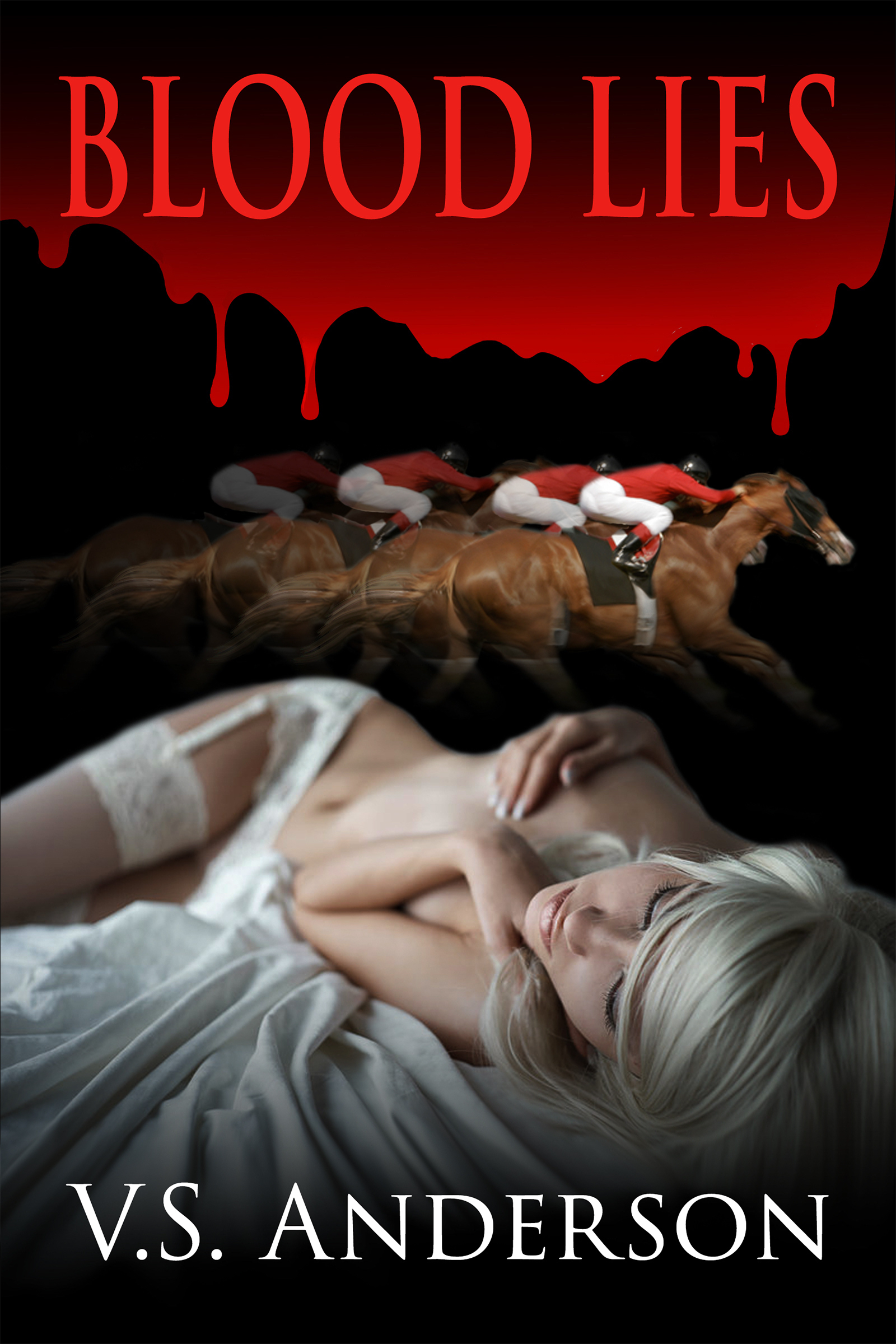
In some ways, I think this article may distill the question down a bit more than I like; sometimes there’s a story question embedded in another story question, and both have to be answered. In Blood Lies, the obvious story question is whether Ted will find out who murdered Alejo. But the larger question that drives and even overrides this one is whether, in the process, Ted will become the man he needs to be to respect himself. So a corollary question to ask in working on story questions is whether the two (or more) questions serve each other. Does finding his best self help Ted find the murderer? Does finding the murderer help Ted find his best self?
In any case, in many unpublished novels I read, it’s the story question that’s missing–or just isn’t compelling. So this article is an excellent primer on this central issue in fiction.
Both the story question and the story problem are vital for crafting cohesive stories and strong fiction. A discussion of the story question in fiction.
Source: The Story Question is Vital

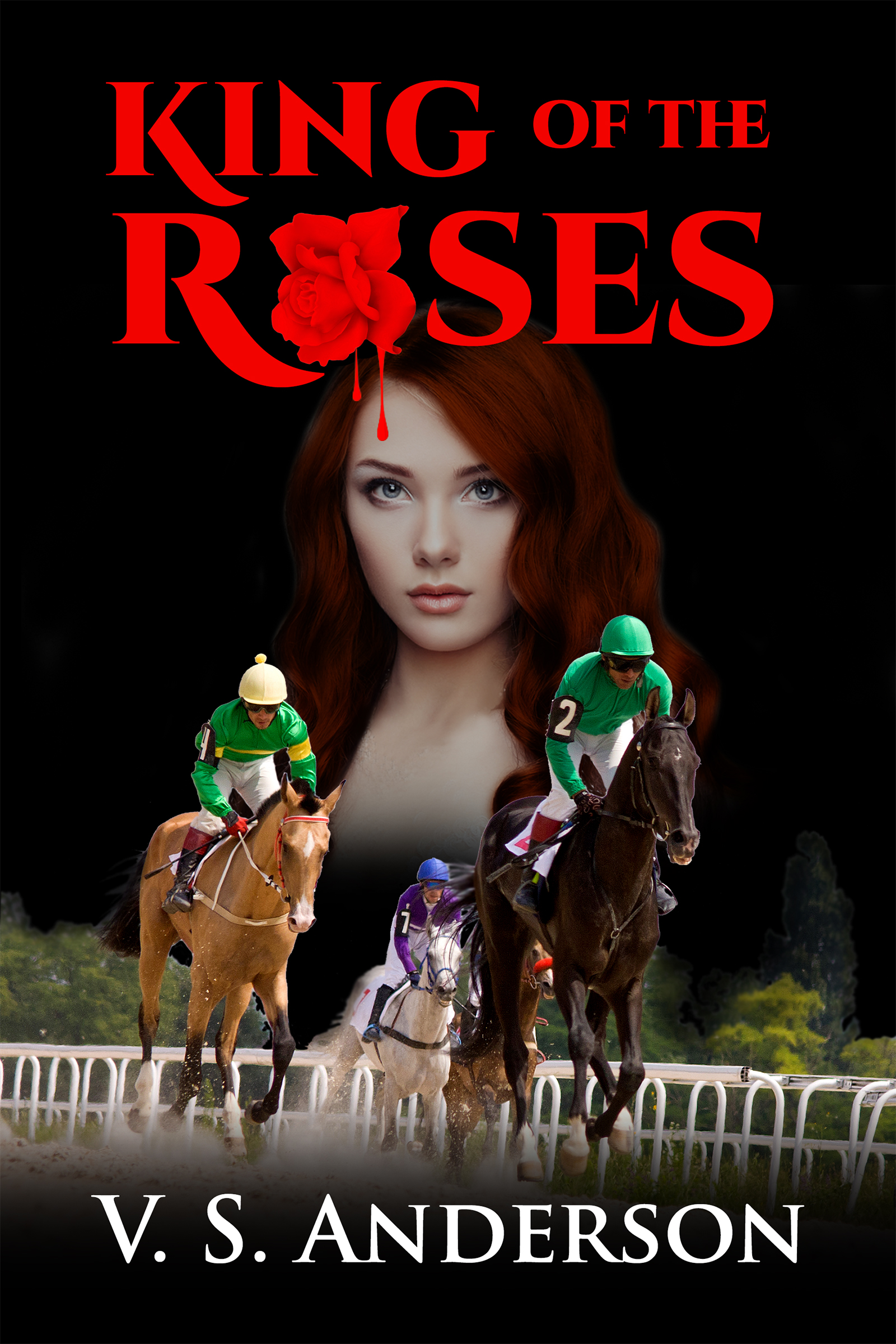
Paddy and his mom!


![Amazing Facts on Writing and How it Affects Our Brain [Infographic] - An Infographic from BestInfographics.co](http://www.bestinfographics.co/wp-content/uploads/2013/02/amazing-facts-about-writing-and-the-brain.jpg)


 Just Can't Help Writing