Check out this discussion about the definition of literary fiction and add your opinion. While you’re at it, here’s literary agent Donald Maass’s answer. I like it. What do you think?
Category Archives: writing novels
A Perennial Question: What is Literary Fiction?
The Story Question is Vital
This article addresses what I find is the most pressing issue in developing a novel. It’s the one I come back to again and again, hoping I’ve made it work and struggling if I think I haven’t.
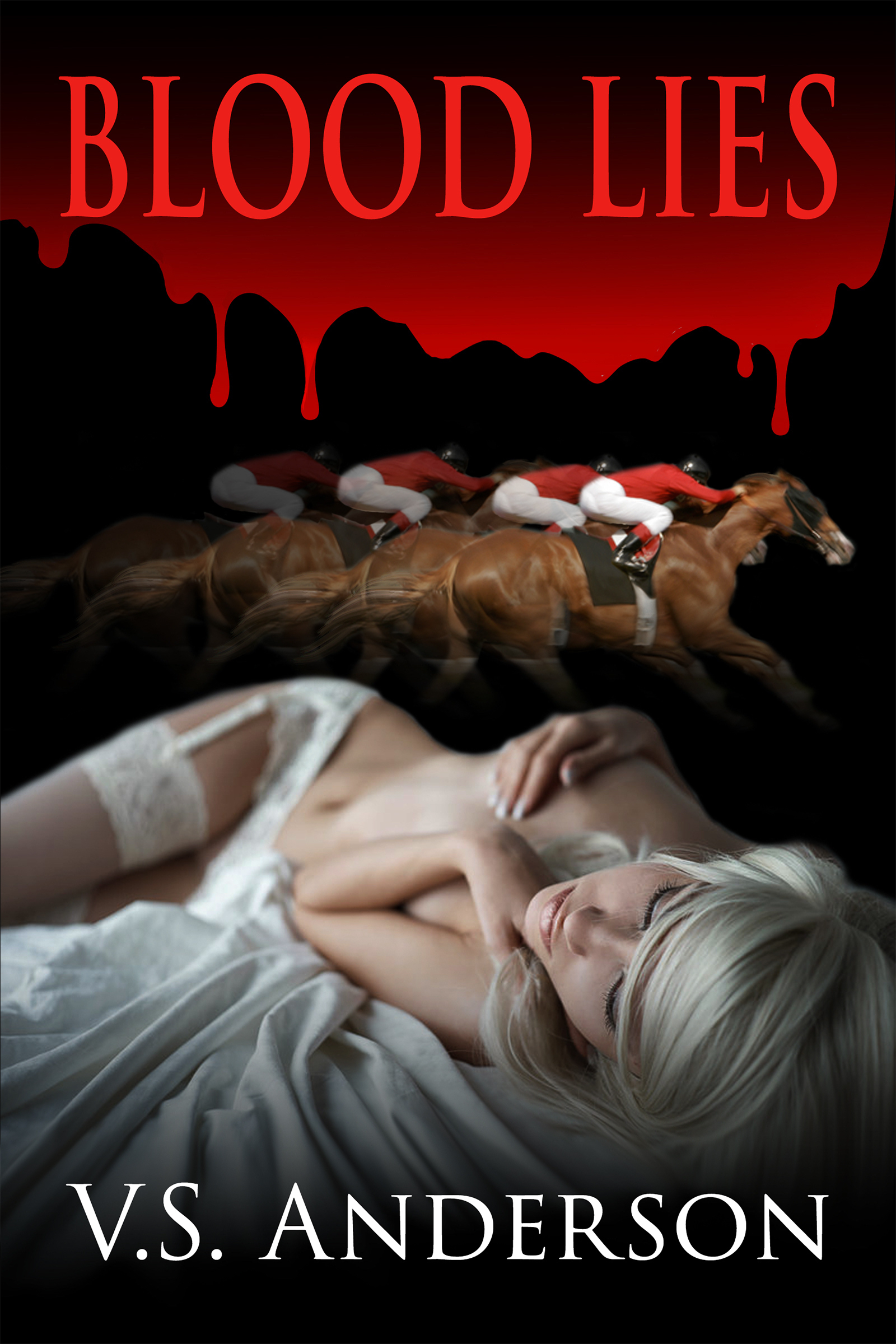
In some ways, I think this article may distill the question down a bit more than I like; sometimes there’s a story question embedded in another story question, and both have to be answered. In Blood Lies, the obvious story question is whether Ted will find out who murdered Alejo. But the larger question that drives and even overrides this one is whether, in the process, Ted will become the man he needs to be to respect himself. So a corollary question to ask in working on story questions is whether the two (or more) questions serve each other. Does finding his best self help Ted find the murderer? Does finding the murderer help Ted find his best self?
In any case, in many unpublished novels I read, it’s the story question that’s missing–or just isn’t compelling. So this article is an excellent primer on this central issue in fiction.
Both the story question and the story problem are vital for crafting cohesive stories and strong fiction. A discussion of the story question in fiction.
Source: The Story Question is Vital
Five Things Writers Need to Know About Facebook
This article answers some questions I’ve had recently about my rather desultory use of my Facebook resources. Please let me know if you’ve had a different experience, or if you agree!

“If you try to use Facebook for something it’s not designed to do, you’re just going to get frustrated over the lack of results.” — Tim Grahl, author of Your First 1000 Copies
Recently, I was posting my latest giveaway opportunity to a variety of promotional groups on Facebook. A fellow author and Facebook friend noticed and messaged me soon after: “You’re posting a lot on Facebook recently. How’s that working out for you?”
What he was really asking me: “How does one successfully use Facebook for author marketing?”
Tim Grahl recently addressed this question on his blog (Facebook and Author Marketing, September 17, 2016), and my own experience in growing my social media platform confirms many of the assertions that he makes in his article. To understand how to use Facebook for author marketing requires an understanding of what Facebook was designed to do.

Exclusivity
Firstly…
View original post 957 more words
Free Book Promotions? What Do You Think?
 Here are some evaluations of book promotion services from The Book Designer (a great site for all things indie). The question is whether sites like these are better than membership in KDP Select.
Share with us your own views! Have you tried any of these services? Do you have others to recommend?
Don’t Forget: Green River Writers Contest Open Until Sept. 30!
DEADLINE TOMORROW! ENTER NOW!

 Poetry and Prose Categories, Low Entry Fees, Cash Prizes! For information, click on the image or email contest@greenriverwriters.org
Filed under writing novels
Author Beware … Publishing Predators Are Breeding…
Thanks, Chris, for another important article. Here is my comment on this article at The Book Shepherd:
I’m amazed that so many people will pay these sums to be published when CreateSpace will do it for free. All you need is a Word file and a cover. Sorry, my CreateSpace book looks just fine. I suppose there are genius cover designers out there who could have done a better cover than DigitalDonna.com did for me, but I’d be surprised to discover them at a reasonable cost.I went with Ingram first; again, nothing wrong with the 22 books I purchased at cost ($168). At Ingram, you will pay $49 for publication, and you must, indeed should, buy your own ISBN, since if you choose CreateSpace first, they will own the ISBN. Three hundred dollars for 10 ISBNs you can use for your entire series is a lot less than the numbers being discussed in these comments.
I formatted my own interior, which cost me $20 a month for my subscription to Adobe InDesign. On my blog [this blog!], I’m doing a series on how I conquered InDesign.
Believe me, it’s not that hard.
I hope writers will use the funds they are paying for these services to find good professional editors and cover designers. And I second Judith’s point that being traditionally published does NOT mean that you will get stellar marketing. In the end, you will do that for yourself. Why not do it all?
(And I second a comment that recommended Smashwords. Not only will Mark Coker walk you through the ebook-creation process, he will publish your ebook absolutely free!)
What about you? Do you have any tales to tell about your publishing adventures? Help us all “beware.”


Article extract from Judith Briles on The Book Shepherd site:
Oh, what a tangled web they weave … publishing predators are breeding with the surge of authors now by-passing traditional publishing. Over half of books published today are by the self and indie publishers. Traditional publishers are taking notice and are now gearing up to offer their own “self-publishing” opportunities. Some, like Simon & Schuster, Hay House and Penguin, have had a “vanity press” relationship for years in place via Author Solutions (ASI). Expect to see all of this push into a higher gear–after all … there is money in wannabe author’s pockets.
It’s a never-ending story … the emails, phone calls, postings within the Author U Group on LinkedIn and my personal group on Facebook: Publishing with The Book Shepherd (join it) … and I’ve worked with several private clients and fielded numerous phone calls/emails from authors who have…
View original post 22 more words
Filed under book design for creative writers, business of writing, Editing your novel, indie publishing, Marketing books, Money issues for writers, Myths and Truths for writers, Print on Demand for fiction writers, Publishing, publishing contracts, Self-publishing, Writing, writing novels, writing scams
What To Do When You Sit Down To Pitch Your Novel In-Person
Good practical (and empathetic) advice on pitching from agent Carly Watters! I’ve had good luck recently from listing about eight plot points to keep me on track. No one seems to mind if I use a page of notes. What about you? What techniques do you use to make your pitch sessions work?

After attending conferences around North America for the past 6 years I’ve seen an array of pitching techniques. Some good. Some…not so good. I get it. It’s not easy to pitch your book (your creative project that’s been on your mind for months if not years) to someone sittingin front of you, especially when the stakes are so high for you personally.
Agents can sense thedetermination and fear in the room during pitch sessions. It’s honestly palpable and we can feel your energy.
I find pitch sessions draining and galvanizingat thesame time. Having a new project pitched to me every 7-10 minutes is a lot to wrap my head around and sometimes they bleed into one another. And depending on how conference organizers set things up I could be sitting there for up to 2 hours at a time.
When you sit down:
Relax. Then tell me why you’re sitting…
View original post 451 more words
5 Legal Terms Every Author Should Know…
We never hear this enough! Thanks, Chris!
Extract from an article by Writer and Lawyer Helen Sedgwick:
What is the worst mistake an indie author can make?
A bad book cover? A poorly edited manuscript? A hokey website?
No. It’s losing control over your work.legal terms
Pause and Read the Fine Print
Your work is valuable property, just like your car or home. You wouldn’t hand over your car keys to a stranger you met on the internet. You wouldn’t let someone with a slick website move into your guest room. Yet, every day, writers click ACCEPT to contracts with self-publishing companies that take too much control over the author’s work.
Why? Because they can’t bring themselves to read the fine print.
If you are like most people, online contracts with all those legal terms look like 5000 words run through a blender. My goal is to show you where and what to look for, so you can…
View original post 20 more words
On Writing, from Joyce Carol Oates: A new interview
 Check out this rich interview with a great writer!Which of her books have you read? Which do you admire, and why?
Great Advice from The Book Designer blog!
Joel Friedlander at The Book Designer is always a wonderful source. This piece by Judith Briles (@mybookshepher) on “How to Avoid Book Publishing Blunders, Bloopers and Boo-Boos” has some up-front advice for all of us. I especially like the “writer beware” section on “pitch fests.” Briles says save your money!


 Just Can't Help Writing