Category Archives: Self-publishing

Amazon Pricing Confusion Resolved!

Brittneysahin (below) got it right (unless I am misreading again :-))!

Here is the text:

“But if you choose the 70% Royalty Option, you must further set and adjust your List Price so that it is at least 20% below the list price in any sales channel for any physical edition of the Digital Book.”

Obviously the operative word here is “physical” edition. In other words, a book can be priced the SAME as a DIGITAL edition at any other sales channel. The 20% reduction is only necessary if you have a print edition (I assume this includes POD editions but that is not clear).

In my defense for missing this word, I was taking in a lot of information at once and was probably not attuned to the idea of a physical versus digital edition, since “physical” versions of my books are out of print. Of course, they’re being sold by used book dealers at all sorts of prices, but presumably this is not relevant since I earn nothing from these used book sales and have no control over them.

If you’re tempted to buy a copy of the old paperbacks for like $0.01, or some such price, let me know and I’ll send you a Smashwords coupon for a cheaper (yes!) edition. Both books have been revised, Blood Lies a fair amount.

Thanks so much to Brittneysahin and others for input on this. If anyone gets any new information via direct communication with Amazon, thanks in advance for letting us all know. And I’m going to change my royalty rate to 70%.

4 Comments

Filed under Amazon Kindle Direct Publishing, Amazon pricing policy, ebooks publishing and selling, Money issues for writers, Self-publishing, Smashwords, V. S. Anderson, Virginia S. Anderson, writing novels

Off to Upload to Amazon Kindle Direct Publishing

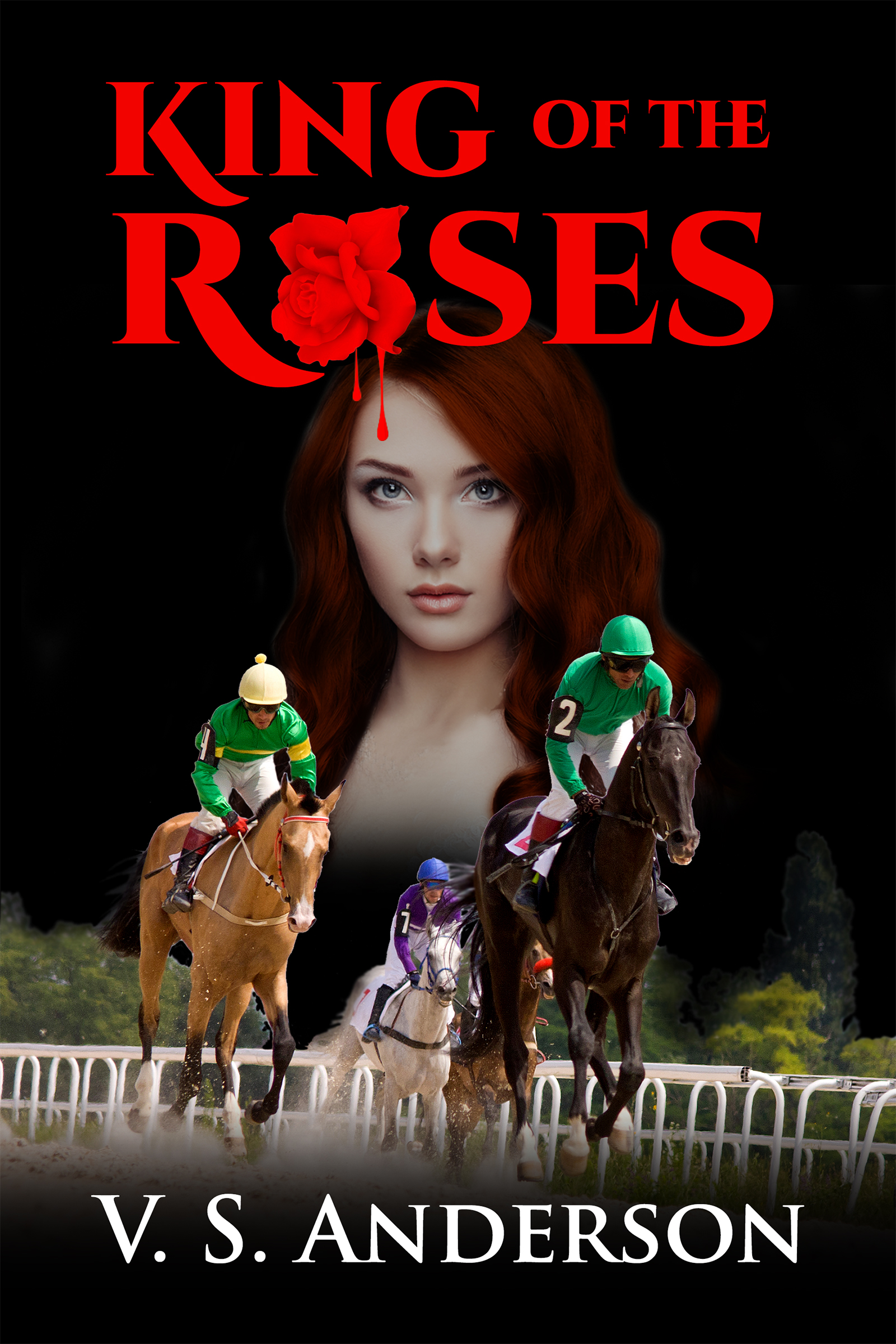
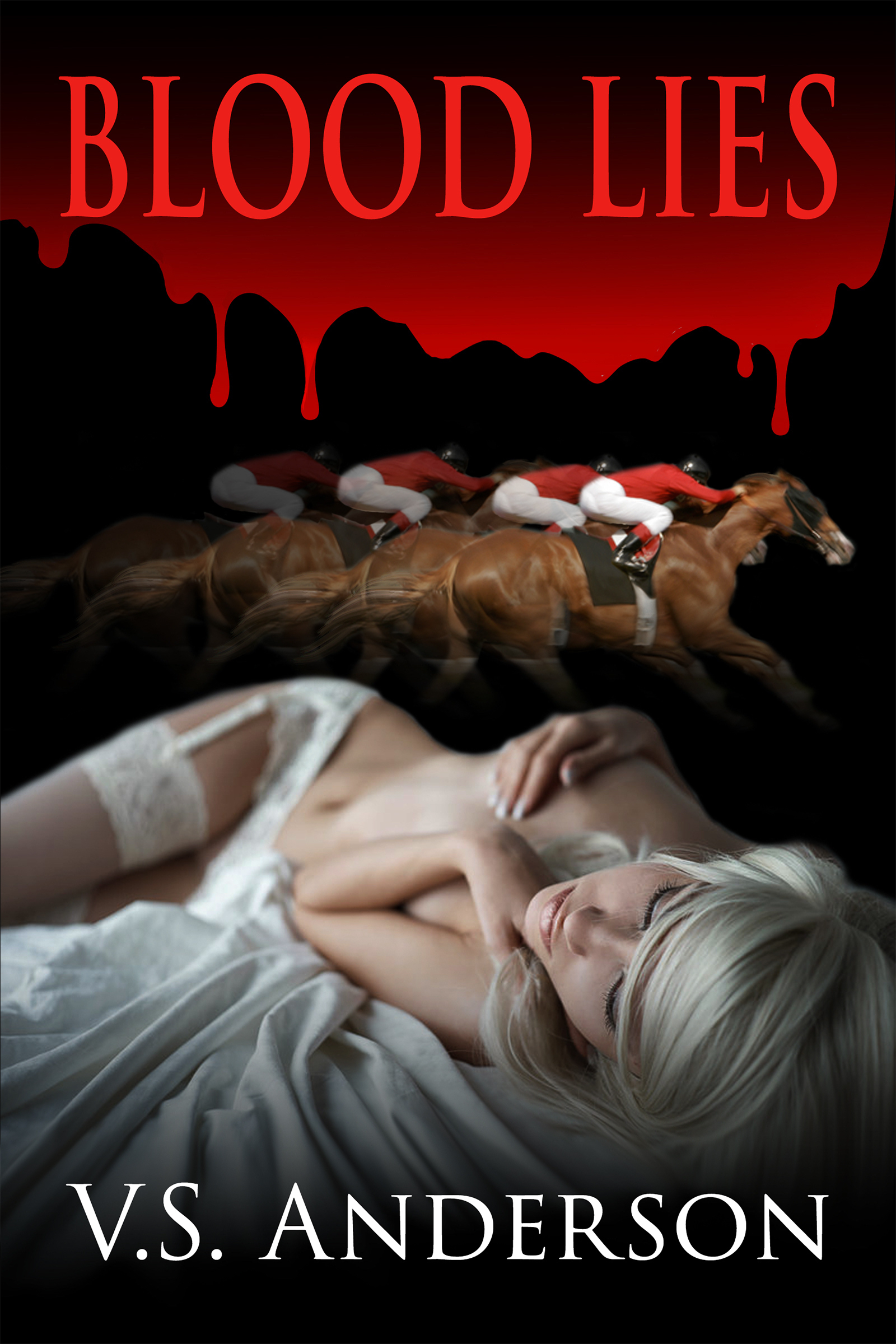
SELF-PUBLISHED BOOK LAUNCH DAY at Smashwords! And the day I bite the bullet and upload to Amazon! So far it looks a lot more complex than uploading to Smashwords. If any of you have been through this process and have any advice for me, please let me hear from you! In the next day or two, I’ll report back on my own experiences. King of the Roses coverIn the meantime, you can now order the books at Smashwords.com in addition to ordering them through any of your favorite ebook retailers, including Barnes and Noble and iBooks. Blood Lies coverLet me know if you run into problems. I may not be able to help, but I will try! Also later today I will post some direct links on my web site, www.virginiasanderson.com.

Leave a comment

Filed under Amazon Kindle Direct Publishing, Blood Lies, ebooks publishing and selling, King of the Roses, Self-publishing, Smashwords, V. S. Anderson, Virginia S. Anderson, writing novels

How I Got More Reviews On My Self-Published Book | BookDaily #AuthorTips

I came across this just now and thought I would share it with anyone who is interested. As soon as my books are officially released, I’m going to follow this practical tip. BTW, I Blood Lies coverwelcome (and wish for) reviews of King of the Roses and Blood Lies! KOTR_F300They’ll be up at Amazon soon.

Leave a comment

Filed under ebooks publishing and selling, Free Books, Reviews, Self-publishing, V. S. Anderson, writing novels

Authors’ Guild Advocacy on Fair Contracts for Writers

Found this on Twitter today. Absolutely essential knowledge for all of us approaching this point. This information mirrors much of what I learned the hard way when I published in the 1980s and 1990s: for example, that you never get the lump sum you think your advance is going to be. I am lucky in that I had reversion-of-rights language in my contracts (thanks, J and L) so that I have been able to self-publish my previously published books as ebooks. But it looks as if not everyone is so fortunate. In any case, this information is worth keeping up with:

https://www.authorsguild.org/industry-advocacy/the-authors-guild-fair-contract-initiative-a-preview/?utm_content=buffer1c2c9&utm_medium=social&utm_source=twitter.com&utm_campaign=buffer

Leave a comment

Filed under ebooks publishing and selling, Money issues for writers, Myths and Truths for writers, Self-publishing, writing novels

Blog Interview Part 2: Will Lavender!

Welcome to Part 2 of our interview with Will Lavender, author of Obdience and Dominance! Please feel free to shoot me some comments or questions. Is your writing process like Will’s? Have you had similar experiences? What do you think of MFAs and two-book contracts? Let us know!

6. What is the “best education” for a writer? For example, are there particular ways of reading that writers should cultivate? Would you recommend college courses, MFAs, online forums or webinars?

I actually recommend the MFA. It’s gotten a lot of flack over the years (especially recently), but my MFA experience was so unusual, and so outside the realm of anything I’d ever done, that it was highly beneficial. At no other time in your career will have you have that many eyes on your unpublished work. It can be, if used correctly, incredibly helpful.

Otherwise I think writers should always be versed in their medium. If there are novels out there that are like your manuscript, then you should know about them. I do a lot of events with aspiring writers and am often surprised at how poorly read people are. I’ll mention books—extremely popular books—that folks will not recognize. You obviously don’t have to have Penguin’s spring catalog memorized, but it’s always beneficial to know the landscape so that you can write toward it.

7. Do you get feedback on works in progress (from editors, writers’ groups, friends, colleagues)? If so, how do you recommend “managing” feedback: for example, are there ways writers can evaluate feedback to determine what to use and what to set aside?

I generally don’t like to talk about my WIPs, but what happens in publishing is that they need you to talk about your unfinished work—they don’t want to be surprised by anything, especially by someone without a strong history of sales. I’ve gone off-track a few times while working on novels and had to be reigned in by my agent and editor.

But the issue for me is that the more I talk about it, the more mystery that’s sucked out of the thing. I like to work in total secret and then to be confident in the work before I show it to anyone. I’m a firm believer that things can be jinxed, and I’ve jinxed quite a few WIPs by blathering about them.

8. Do you have a sense of how writers should address ongoing changes in the writing/publishing world (online publishing, self-publishing, death of independent bookstores, blogging)?

Writers should always keep their options open. One should never say, “I would never self-publish,” or “I hate traditional publishing,” because you never know when you might have to go that route.

Things have radically changed in publishing just in the last five to seven years. Imagine five to seven years from now. I think there will be an entirely new and unthought-of process for getting books out into the world. Yes, printed books will never die, but they’ve been staggered and the writer should respect that.

The traditional publishing model has also been staggered. When people ask me about self-publishing I always recommend starting at the very, very top. Try to get your dream agent. If that doesn’t happen, then begin to adjust your goals. If you end up having to self-publish, then you do your best with that book and start another one. I think writers make a mistake sometimes by putting their soul into a book. The best and most successful writers are those who are always looking to reinvent themselves and begin something fresh.

9. How do you make a space for writing in your personal life?

It’s difficult with two young children. I generally write on evenings and weekends, but one of the more important things about writing well is sticking to a routine. Very hard to find that when you have a family and a 9-5 job. It takes a rigor that some of these professional novelists have down but the rest of us struggle with daily.

10. Is there anything you’d advise an aspiring writer NOT to do? (Pretty broad, so take it where you will.)

This is a tough one because there’s so much advice that works for some people and not for others, and some “never do this” kind of stuff that great writers do all the time.

I think one of the main things that aspiring writers struggle with is confidence. Confidence is an innate thing, maybe, but I believe a lack of confidence is also a byproduct of “art.” It’s not the coolest thing in the world to stand up for your creation. The artist has been taught to be modest, to be almost shy, and to “let the work speak for itself.” Those that get out in front of the art—and if you’ve ever been to a book fair you’ve seen the people who adamantly try to sell their work—are labeled as hucksters while the quiet ones among us who demure are the geniuses.

But to be published, you have to be able to talk coherently and strongly about your work. And for the work to even be publishable, you have to have belief in it—not the unerring, I’ll-never-change-a-single-word-of-this belief, but more of a sense that you know what the book is going to be and how it’s going to be sold. Many writers I talk to seem unsure about their product; “Well, I’m working on a zombie novel now, but I’m thinking of changing to a…” No, that’s not a good tack. One needs to be firm about their WIP and what it’s going to look like once it’s finished.

11. What are you working on now? In what directions are you taking your career?

I’m still under the aforementioned two-book contract. The novel I’m working on now is a thriller about…well, I don’t want to jinx it. I’ll let everyone know when it’s finished.
Leave a comment

Filed under Interviews, Self-publishing, What Not To Do in Writing Novels, Working with literary editors

Kindle Author? Take a look

In case you haven’t seen it: Kindle author.

Leave a comment

Filed under Money issues for writers, Self-publishing

Writing the Synopsis: Or, What Took Me So Long?

I’ve been away for a few days, and if you’ve been watching the weather reports, you know what I spent much of the day before yesterday dealing with–yes, it’s a four-letter word beginning with “S.”

I’ve also been dealing with an eight-letter word beginning with “S”: “Synopsis.” I’ve never met a writer yet who liked dealing with synopses. I’ve always believed I couldn’t write them–just didn’t get it. I’d tell what I thought was the story I’d told, only to have readers respond, “I’m totally confused.”

I faced the need to confront the demon synopsis because I’m trying to get my out-of-print suspense novels up as e-books, and I need covers. I had some ideas of my own, but my excellent and candid volunteer critics (or should I say “impressed” critics in the sense that sailors off merchant ships were once impressed into the British navy) generally agreed that I should solicit ideas from actual designers. At my university, we have students who do superb work. But could I ask students to read two fairly hefty novels between class assignments? Uh, no, not if I want to get the books up any time soon. Hence, synopses.

My first efforts were on a par with my earlier efforts. A masochistic colleague whose opinion I value actually volunteered to read the books and write the things for me. I spared him: read two hefty books between grading assignments in four (yes, four!) writing classes?!!! So he read the synopses I produced. I reproduce here the bare bones of this experience, because it was a eureka experience. For the first time, I was like, “Oh!” It’s what can happen when you have a truly good reader who is willing to tell you the truth and you are ready to listen–a crucial component, but I was desperate. They always want a synopsis. Who wants two pages to be the death of a three-hundred-page gem?

Here is the heart of what my colleague Tom O’Neal wrote for me:

Continue reading

3 Comments

Filed under Finding literary agents for writers, Learning to write, Self-publishing, Teaching writing, Working with literary editors, Writing and teaching writing

Writers’ Conference VII: Post-Coda

I promised to report on the fates of my colleagues at the conference I attended a few years ago.

I obviously don’t know all their stories. Emails began to circulate, friendly requests for updates. Not everyone responded. I did not.

Now that I’m contemplating creating (from scratch) a “platform” for the non-fiction book I’m working on (tentatively titled Survive College Writing: What No One Will Tell You about Your First-Year Writing Class), I realize that not becoming part of that somewhat nostalgic network was a missed opportunity. At the time, it seemed clear to me that my job had hustled any real involvement in my personal projects right off the stage. So I withdrew, sat silent, packed away the emotional energy I wanted to invest in writing in hopes it would ferment in its dark corner. I think it has. I get up ready to write every day.

So with regard to the fate of my colleagues at the conference, all I have to go on is that flurry of emails. About ten people took part.

Of those few, up to the last email I received, only one had found a commercial publisher for the book she pitched at the conference. Gail Strickland found a small press (Curiosity Quills Press) that publishes the kind of book she has written and offers her the kind of support she hoped for. Her book, a YA historical fantasy titled Night of Pan can be pre-ordered through her Web site. I’m hoping Gail will give a blog interview about her experiences taking her book through from idea to promotion; if so, I’ll post the date.

The most impressive of the several self-publishing stories is that of one of the attendees who perfected his pitch (not about zombies) and scored a review from Publishers Weekly Select. John J. Kelley’s The Fallen Snow is worth a look–and I especially admire the attention his hard work at promotion has garnered. He’s gotten wonderful reviews! With his permission, I’ve posted his very informative account of the PW Select process here.

Another attendee ended up self-publishing a cookbook based on her expertise at gardening and raising bees. At last account she was still at work on her fiction.

John found the conference helpful in expanding his options for his work. I am still thinking about what I learned, including what I knew before and how the conference changed what I thought I knew. Even so much later (nearly three years), I still have much to process. I think that will take another post.

Leave a comment

Filed under looking for literary editors and publishers, Self-publishing, Working with literary editors, Writers' conferences