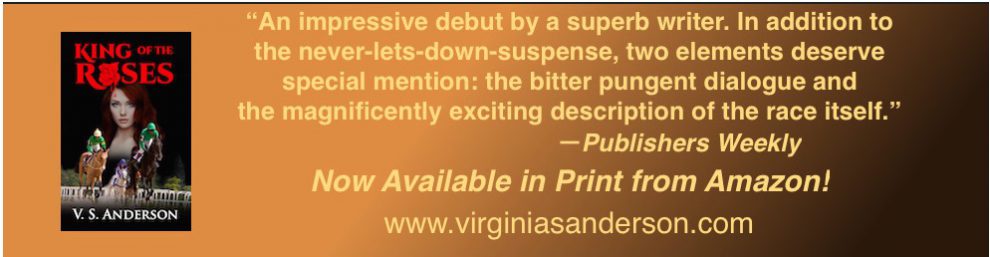
I’ve revised to add some new more information about Gail Strickland’s book, Night of Pan. Check out her site. I hope she will visit soon for a blog interview about bringing her book to publication.
Category Archives: looking for literary editors and publishers
Writers’ Conference VII: Post-Coda
I promised to report on the fates of my colleagues at the conference I attended a few years ago.
I obviously don’t know all their stories. Emails began to circulate, friendly requests for updates. Not everyone responded. I did not.
Now that I’m contemplating creating (from scratch) a “platform” for the non-fiction book I’m working on (tentatively titled Survive College Writing: What No One Will Tell You about Your First-Year Writing Class), I realize that not becoming part of that somewhat nostalgic network was a missed opportunity. At the time, it seemed clear to me that my job had hustled any real involvement in my personal projects right off the stage. So I withdrew, sat silent, packed away the emotional energy I wanted to invest in writing in hopes it would ferment in its dark corner. I think it has. I get up ready to write every day.
So with regard to the fate of my colleagues at the conference, all I have to go on is that flurry of emails. About ten people took part.
Of those few, up to the last email I received, only one had found a commercial publisher for the book she pitched at the conference. Gail Strickland found a small press (Curiosity Quills Press) that publishes the kind of book she has written and offers her the kind of support she hoped for. Her book, a YA historical fantasy titled Night of Pan can be pre-ordered through her Web site. I’m hoping Gail will give a blog interview about her experiences taking her book through from idea to promotion; if so, I’ll post the date.
The most impressive of the several self-publishing stories is that of one of the attendees who perfected his pitch (not about zombies) and scored a review from Publishers Weekly Select. John J. Kelley’s The Fallen Snow is worth a look–and I especially admire the attention his hard work at promotion has garnered. He’s gotten wonderful reviews! With his permission, I’ve posted his very informative account of the PW Select process here.
Another attendee ended up self-publishing a cookbook based on her expertise at gardening and raising bees. At last account she was still at work on her fiction.
John found the conference helpful in expanding his options for his work. I am still thinking about what I learned, including what I knew before and how the conference changed what I thought I knew. Even so much later (nearly three years), I still have much to process. I think that will take another post.
On Having to Write about Vampires (and Alien Sex)
Apropos of my narrative about being categorized with the vampires and aliens at the most recent conference I went to, here’s a piece from today’s New Republic online newsletter in which a writer of memoirs, Stephen Akey, laments the apparent impossibility of selling anything that by comparison must be considered bletheringly unmarketable. What most resonates for me in this piece is what he tells us about “platform”: agents, gatekeepers to publication, asking “What type of platform do you have for speaking about the issues in your book?” “What is your access to the media or to major experts in your field?”
Because my current project is nonfiction, I’m particularly sensitive to the purported need for a “platform.” I’m fortunate in that I do have access to some “experts” in my field (and at times have passed for one myself), but I’ve been asked the same question about works of fiction. Yes, I’m sure it would be easier to sell a novel by Regis Philbin than one by one of us unknowns, at least (possibly, since Mr. Philbin might well be a stellar wordsmith) until it gets read.
But I’m not a carpenter by birth or trade, and labor as I will to build something akin to a sound platform, I’m imagining ending up with something more akin to a three-legged seesaw. I’m reminded of an admonition I found somewhere–wish I could tell you where: “Less tweeting, more writing.” Yet, I am rather enjoying picking up my HTML book and envisioning the Web site on which I will advertise and sell my otherwise doomed works of fiction. It will be vibrant, informative, interactive, irresistible. If only I could figure out how to add a background layer to my new logo in GIMP. . . .
Stop reading blogs and get back to work, you.
Paying for It: Story I
For “book doctor” services, I mean.
I apologize for this long post. This story turned out to take a long time to tell. I apologize as well for what may be my most carping posts, as I have disastrous encounters to report. So you may want to wait for a sunnier discussion. On the other hand, yet again, you may find my mistakes instructive—even though they do tend to fall into the category of “what was she thinking?” if I do say so myself.
At least in each case I wasn’t out more money than I could afford at the time. And I did go into each with the attitude that the money was all I really had to lose.
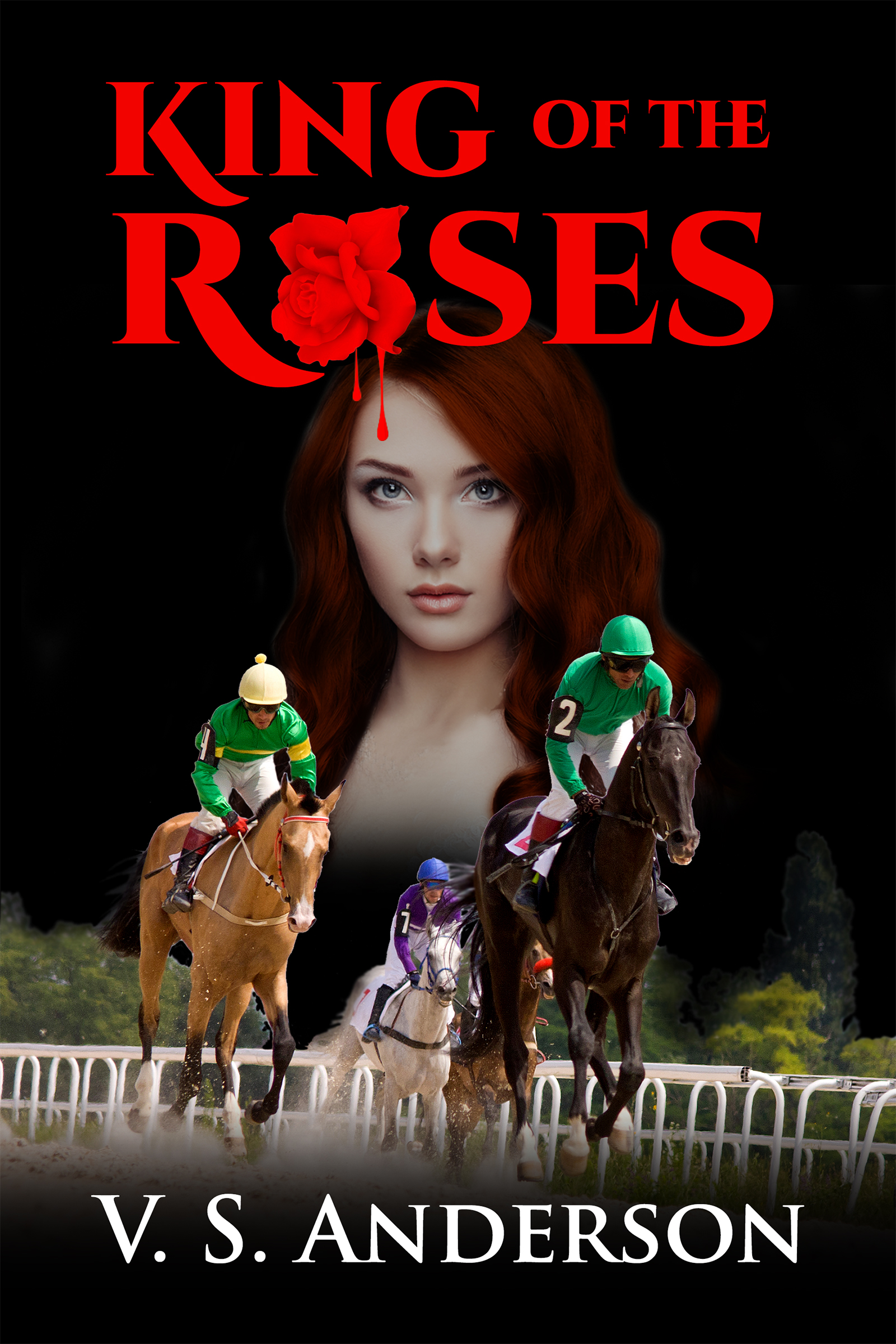
The first episode occurred when King of the Roses was in its pre-agent, pre-St. Martin’s state: stacks of boxes of typed-upon sheets, not quite as imposing as the purported five feet of manuscript that constituted the original draft of Gone with the Wind, but nothing you could tote in a shopping bag, either. I was very young (excuse).
I met this man at the conference my local university regularly hosted (now defunct, sadly—it was a wonderful conference). I don’t recall exactly how we made contact; I must have approached him after his session. I don’t remember exactly how much I paid, but it would have been less than $500. Of him, I can say this: he was conscientious. He did what he said he’d do, in a timely manner. He read the whole book and regularly sent me sections festooned with comments. Recently, in the process of dumping piles upon piles of old rough drafts, I came across the pages he had edited. I set them in the “save even though you know better” stack, to look back at one day. Did anything he told me help me? Possibly. Good advice, in whatever form, is worth reviewing. It’s so hard to come by.
The bait was his assurance that, once we had chiseled the book into shape, he would put me in touch with the New York editors with whom he had professional relationships. Who wouldn’t spend $500 on that?
What rises to the top, probably flushed out by the memories of what finally happened, are not deep, global insights that would eventually make that book publishable; no, they were idiosyncrasies that left me about where I’d started, still wondering whether my ambitious plot (yeah, they’re all ambitious, more’s the pity) was working and what to do if it wasn’t.
Quick point
J and L made so little money off me that I am truly glad they even took the time to do what they did. They made 15%. I assure you they did not retire on that. I owe them much. I just wish I had called on them more and perhaps more insistently. I think I could have learned a great deal that I did not. I think they could have saved me some heartache if I had just asked.
Brave souls
So J and L had a 700-page manuscript to deal with.
Admittedly their investment was small–from the writer’s point of view, anyway. They had to pay whatever it cost them (before email and Facebook) to get it to publishers. They had to “talk it up” at lunches in New York, but I assume that my book was one of many they pitched. I guess they spent some time on the phone, but not, I also assume, long distance. They had to read it, of course, in order to decide they wanted to invest even this much. So these were their losses if the book did not sell.
Mine? I didn’t figure those. As far as I was concerned, I was going to write it anyway, whether it ever sold or not. I suppose I should have calculated opportunity costs. Could I have become a millionaire if I had invested all those hours in learning to beat the stock market or in becoming much sooner what I eventually became, a university professor? (Of course I would have been a biologist if I had planned better, not a writing teacher. Moms, don’t let your babies teach writing. . . .) But all I wanted to do was ride horses and write. Two guaranteed ways not to make money. But I have never regretted writing that book. Or riding horses. But that’s another story.
J and L said, we don’t like to edit. We don’t want to impose our views on what the editor will want, when you get one. At the time, that seemed smart. For that book, it probably was. But later, I wished I could have relied on them more as strong, knowledgeable readers. I have come to see readers willing to plow through and respond to drafts as essential to any writer’s attempts to find a market. Now I am hungry for the simplest chance to talk to someone about my work.


 Just Can't Help Writing